


5 Projects That Show Innovative Design Doesn’t Need a Huge Footprint
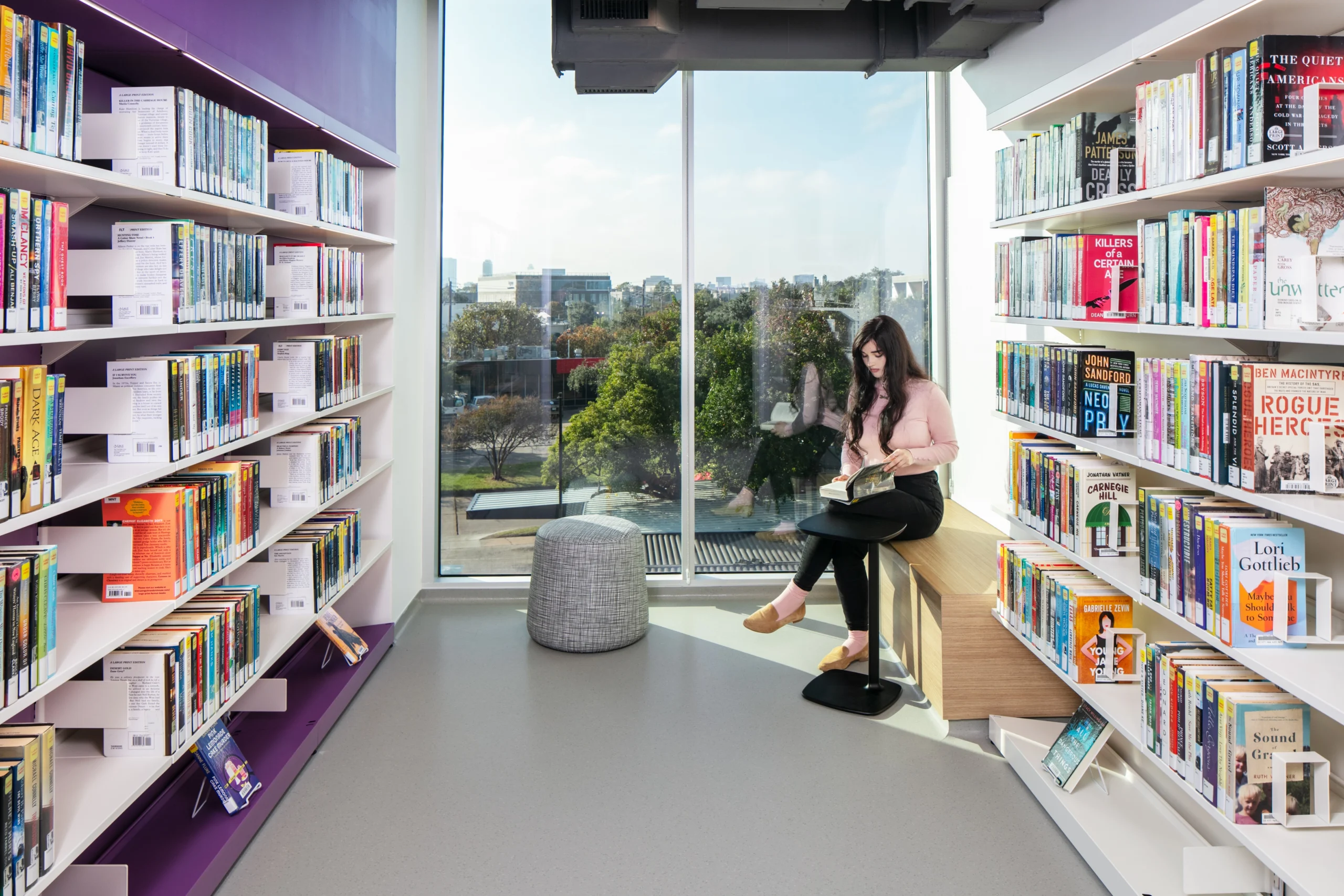
Houston Freed-Montrose Public Library, Houston, TX. Photo by Chris Bacarella.
In the world of public architecture and design, blockbuster projects tend to dominate the media and public attention: In 2025, the New York Times reported on twelve non-residential projects. While the reported projects had a median size of over 100,000 sf, most architect-designed projects that the public encounters are much more modest in scale. The truth is, we can make positive impact most effectively by bringing thoughtful design to smaller and mid-scale projects.
The following five projects demonstrate how strategic renovations and compact interventions can create spaces that are flexible, inclusive, and deeply connected to their communities.

Houston Freed-Montrose Public Library, Houston, TX. Photo by Chris Bacarella.
City of Houston’s Freed-Montrose Library
Within a tight footprint, Montrose Library has a major local impact. Located on the upper floors of a mixed‑use development in one of Houston’s most vibrant neighborhoods, this 11,000-sf core‑and‑shell space was transformed into a highly visible and welcoming community destination. Bold color, integrated art, and an inviting central stair draw the community up from street level, overcoming the limitations of an upper‑floor. Inside, movable walls, furniture, and multipurpose spaces allow the library stay flexible and support a wide range of workshops, pop‑ups, and gatherings. Daily visitation has blossomed 3-to-5-times, reestablishing the library as a community landmark.
Wellesley College Vivian A. Kao ’04 New Health and Counseling Center
The new Wellesley Health Center demonstrates how a modestly-scaled healthcare project can advance sustainability, wellness, and long‑term adaptability through thoughtful siting and reuse of existing resources. Built on the site of a demolished obsolete clinic, the design reduces embodied carbon by retaining and reusing the original concrete foundation. Connection to the surrounding forest through a composition of framed views creates a calm, restorative environment that supports student well‑being. Fit within a compact 12,000‑sf, the center facilitates varied care models and future program growth, with flexible, dignified, and environmentally responsible care.

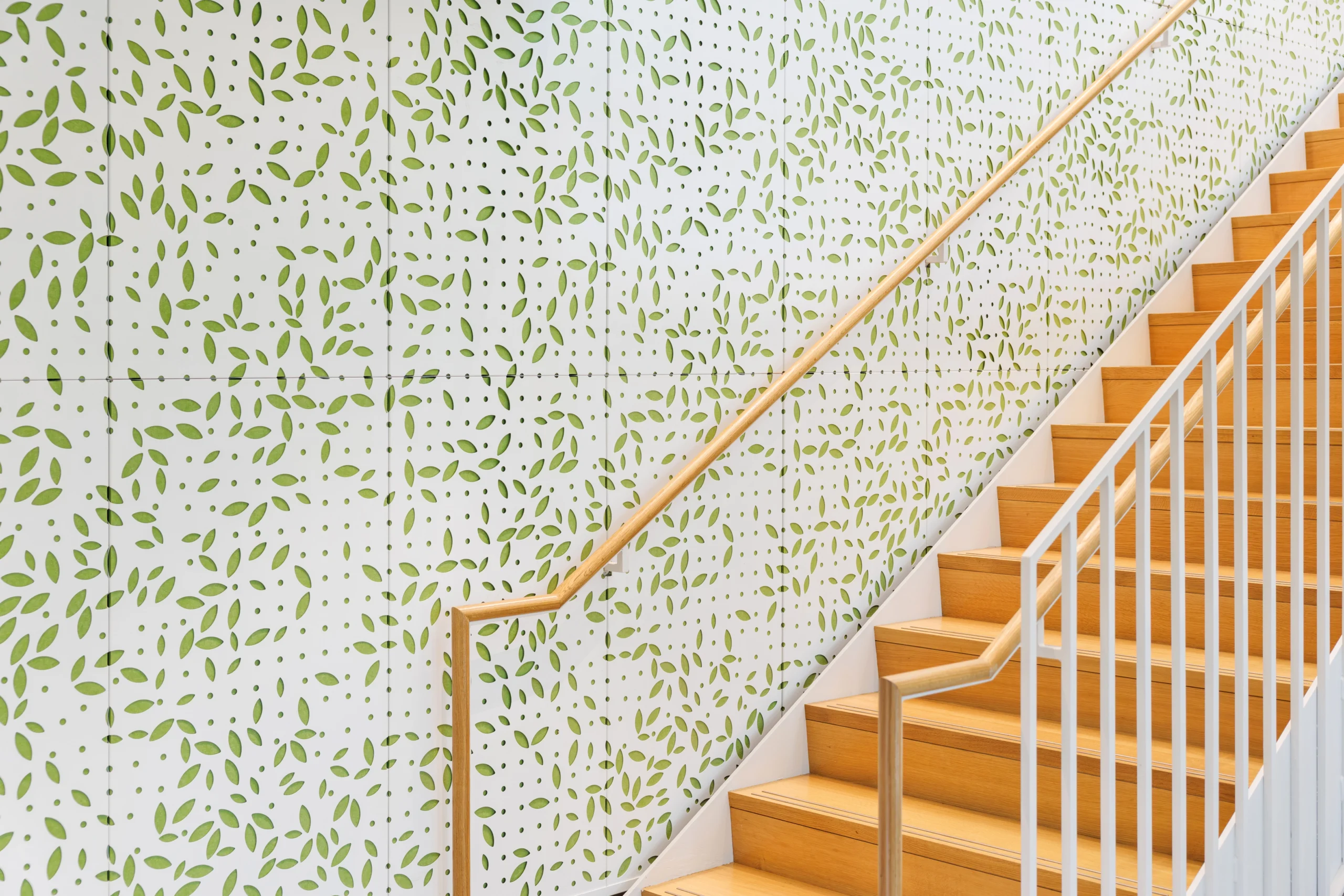
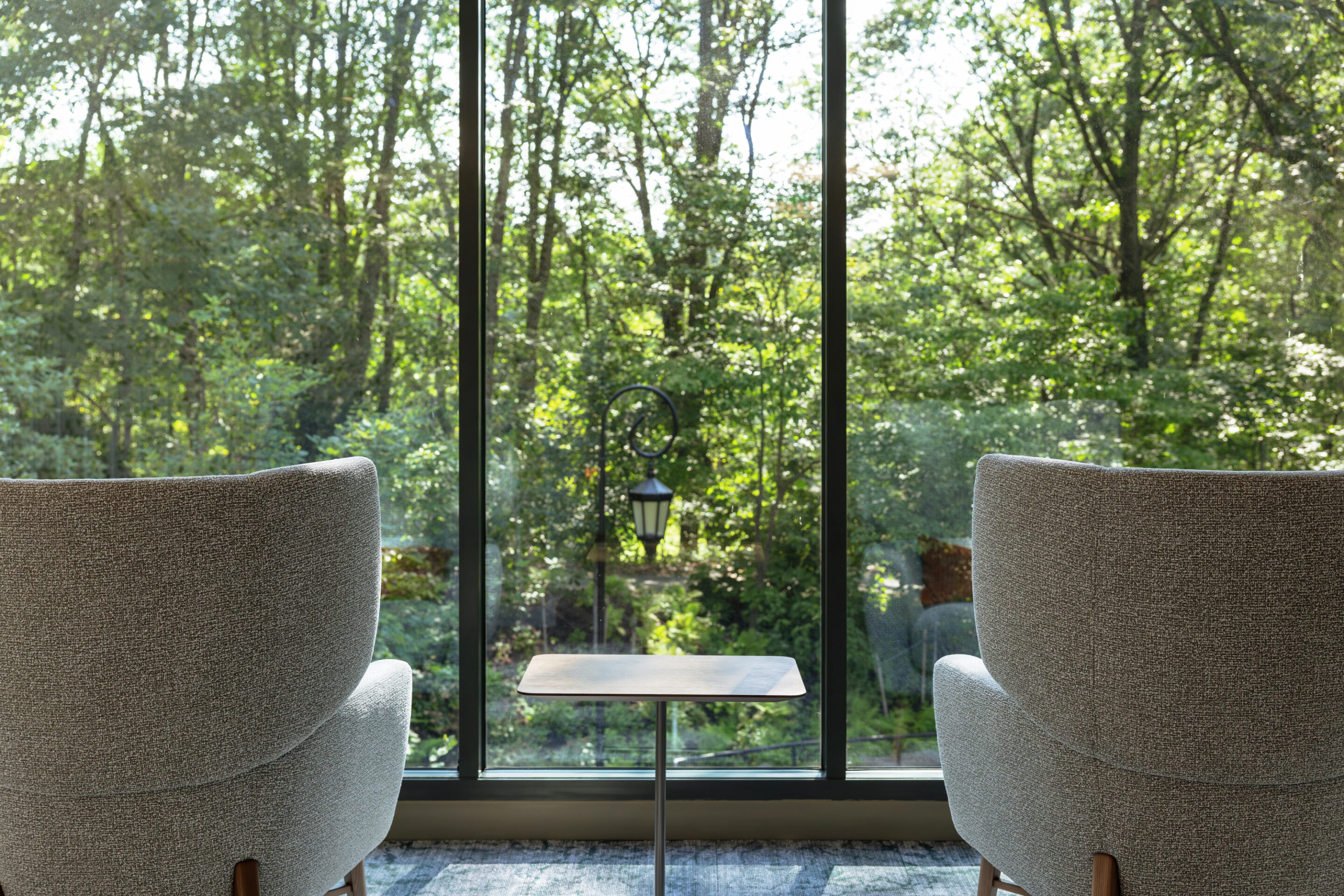
Vivian A. Kao ’04 Health and Counseling Center, Wellesley College, Wellesley, MA. Photos by Marjorie Becker/Accidentally Wes Anderson.
Worcester Polytechnic Institute’s Gordon Library
WPI’s Gordon Library, a midcentury concrete building, is incrementally reinvented through small phased renovations, illustrating how strategically planned renewal can unlock new energy and increase access. In the current phase, the main level will be reconfigured to transform the initial library experience from a staid study space into an active campus hub. Prime daylit areas will be reclaimed from formerly closed offices into spaces for students, events, and a new café. The design complements the ordered concrete structure and open grid ceiling with natural and richly colored materials. By reinforcing the building’s midcentury character while supporting contemporary learning and infrastructure needs, this small project creates a big impact for the campus community.
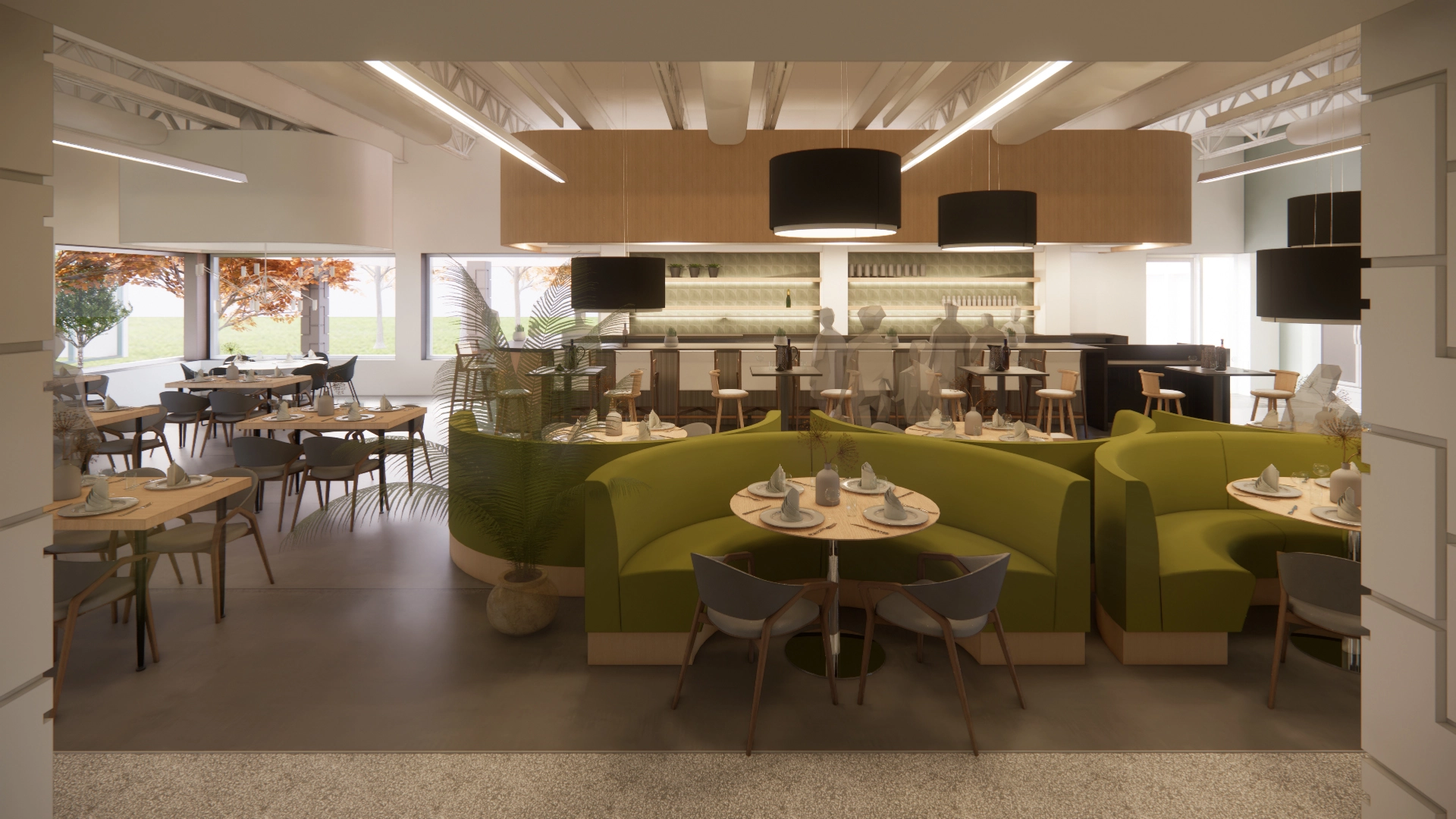
Alden, Phoenix, AZ. Rendering © Shepley Bulfinch.
Alden at the Phoenix Art Museum
An existing museum cafe at the Phoenix Art Museum has been transformed into Alden, a destination dining experience. The project uses targeted spatial reconfiguration and material upgrades rather than expansion to exhibit how a focused small‑scale intervention can elevate the visitor experience. By leveraging indoor‑outdoor connections, introducing garden seating, and providing multiple entry points, Alden invites engagement from both museum patrons and the surrounding community. The legacy of the original museum architect, Alden B. Dow, is evoked through material choices and spatial character, creating a design that updates the museum’s identity while helping expand the museum’s role as a social and civic gathering place.
Phased Renovations of the University of New Brunswick’s Library System
The first phase of a larger master plan to re-envision the UNB library system, the development of the Research Commons transforms the third floor of the Harriet Irving Library into a modern, interdisciplinary, research-driven learning environment. A unique and welcoming facility for students, faculty, and staff across all disciplines, space’s small footprint is a one-stop-shop for teams to ideate, collaborate, prototype, test, and present concepts. The floor is organized into academic neighborhoods, defining focused areas of activity for research, collaborative work, digital studies, and entrepreneurship. Destination spaces anchor the perimeter, while shared resources are located within “floating pavilions” internally. The shifting interior organization maximizes natural light penetration while creating a variety of flexible interstitial spaces for informal, chance encounters.
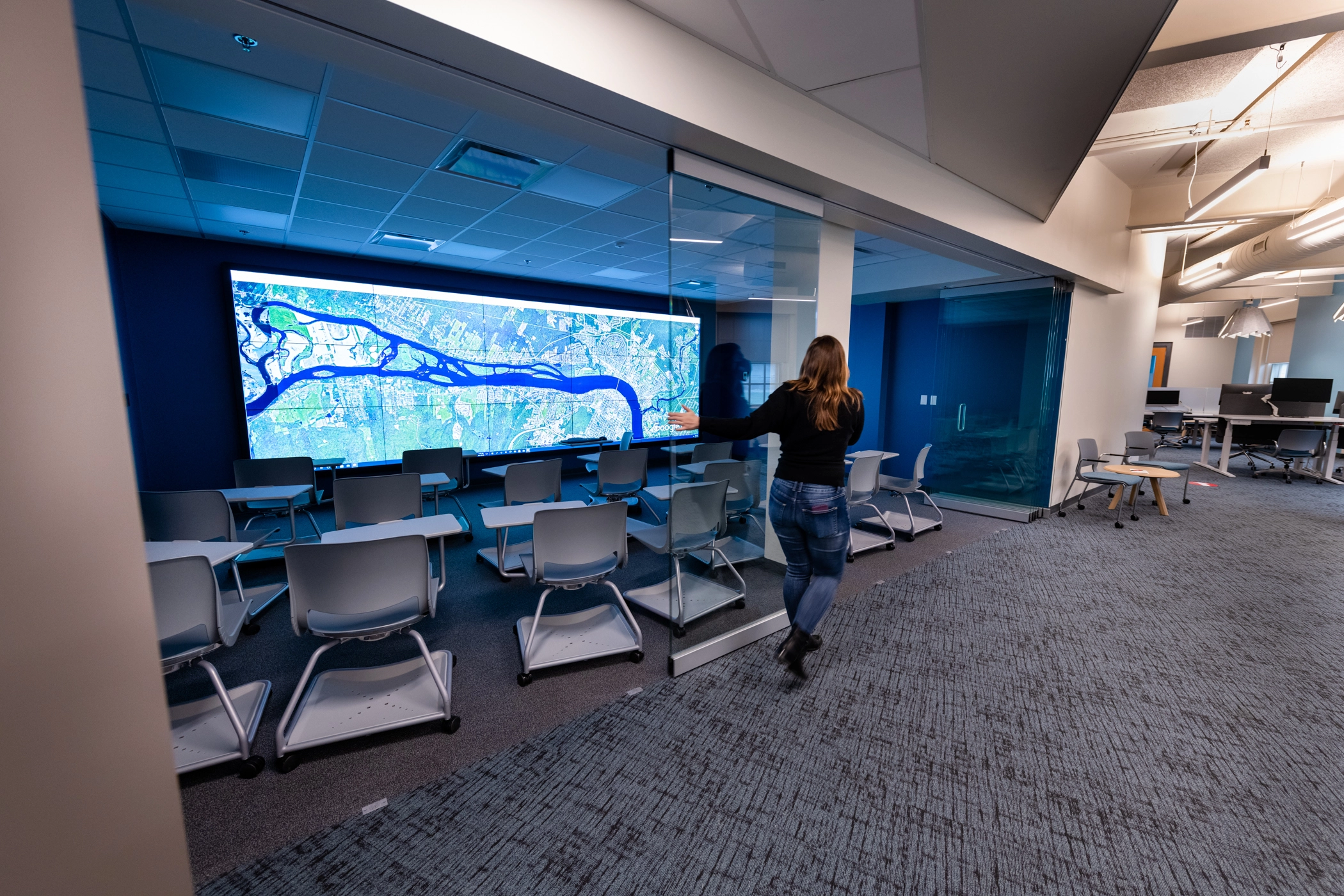
Harriet Irving Library Research Commons, University of New Brunswick, Fredericton, NB. Photo by Joy Cummings.
These five projects challenge the assumption that bigger is inherently better. Meaningful design isn’t measured in square footage but in impact, in the quality of the experiences it enables. When designers view limitations as opportunities, even the most compact projects can become so much more than their footprint.

David Whitehill, AIA
Principal
David is a Principal with experience in design and management for diverse higher education, cultural, and religious clients, with expertise from planning through construction completion.