


Past Meets Possibility
Margaret J. Clapp Library
Wellesley College
Wellesley, MA
The comprehensive renewal of Wellesley College’s Margaret J. Clapp Library building systems and program aligns with the college’s strategic priorities for learning, scholarship, and sustainability.
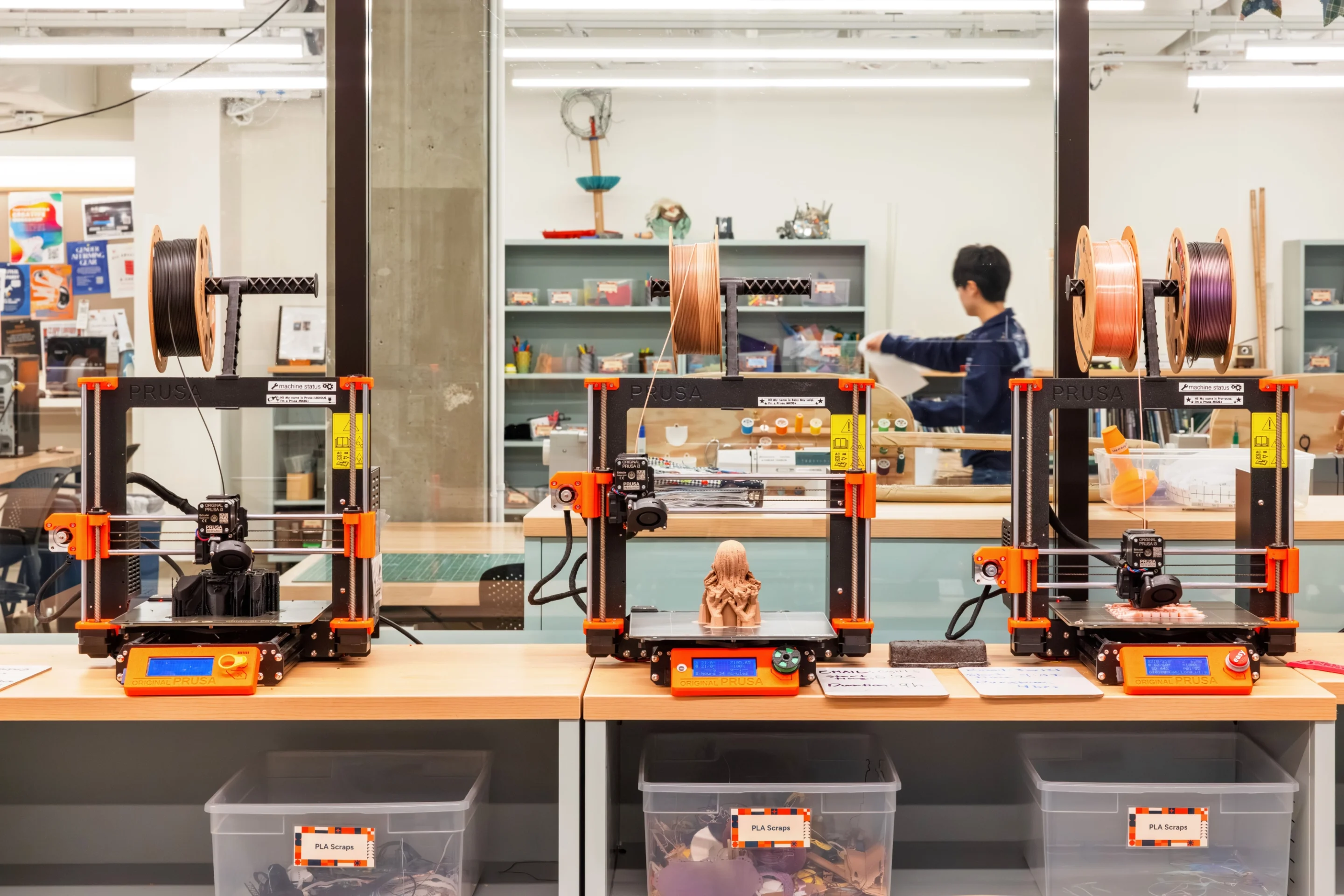
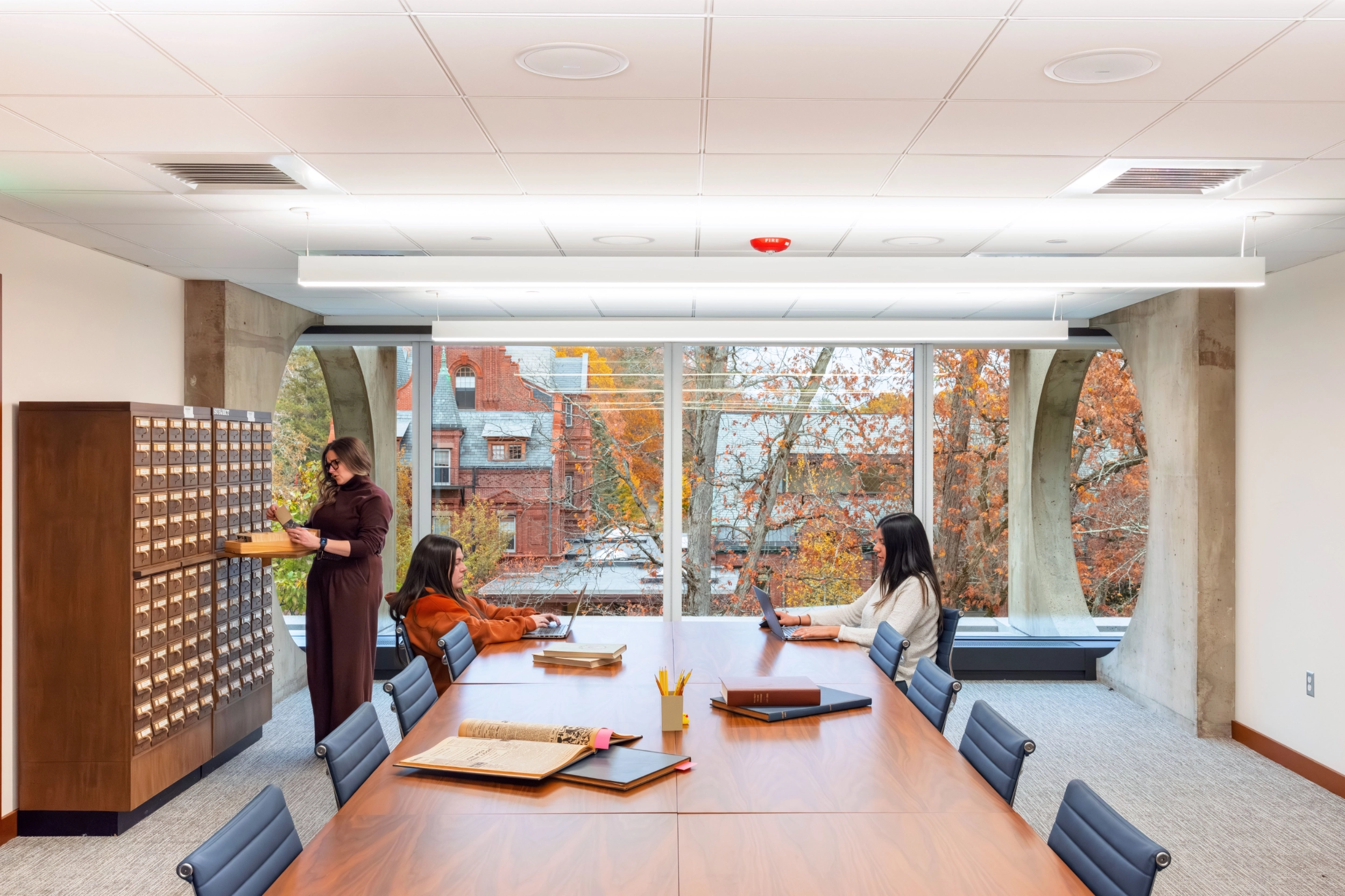
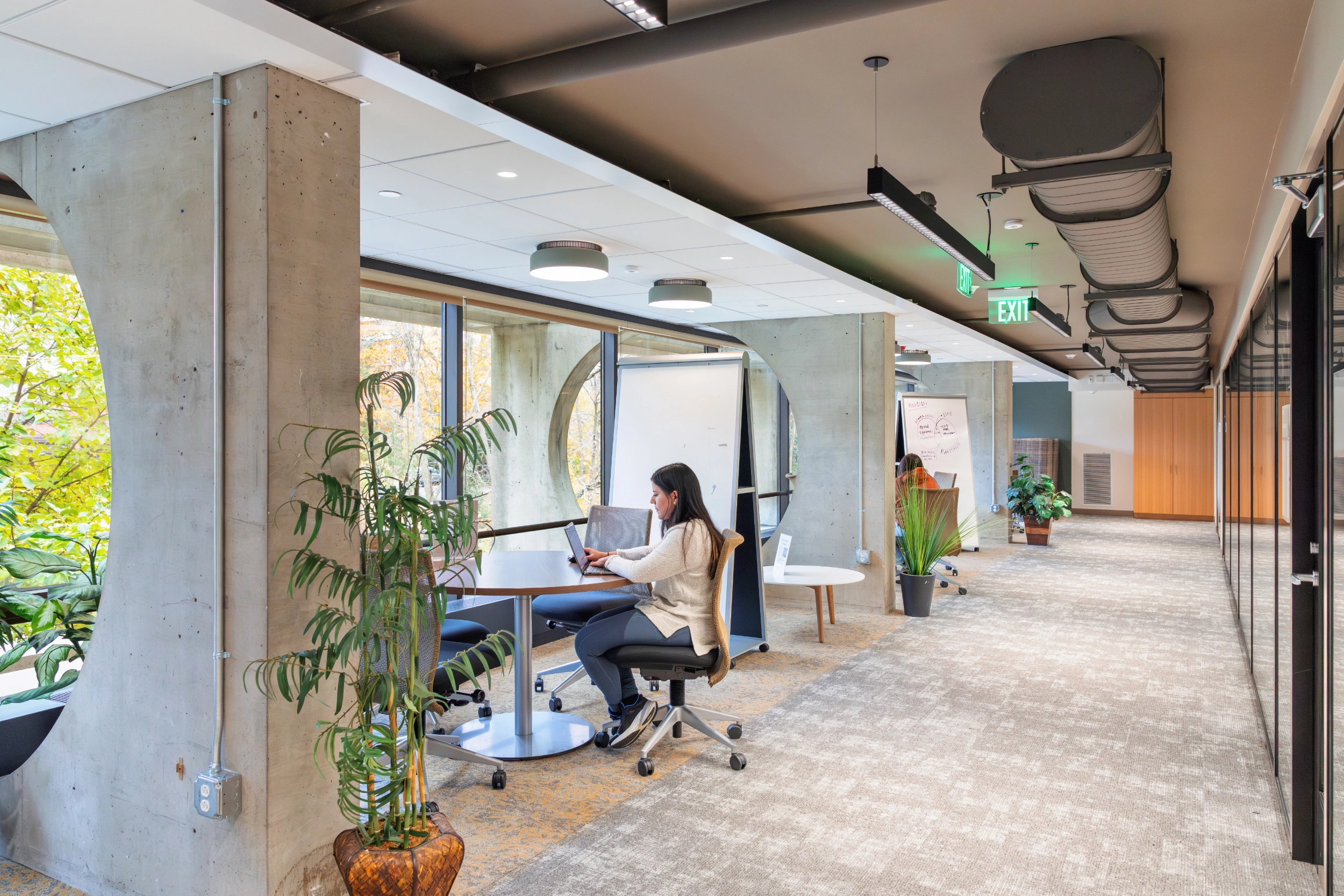
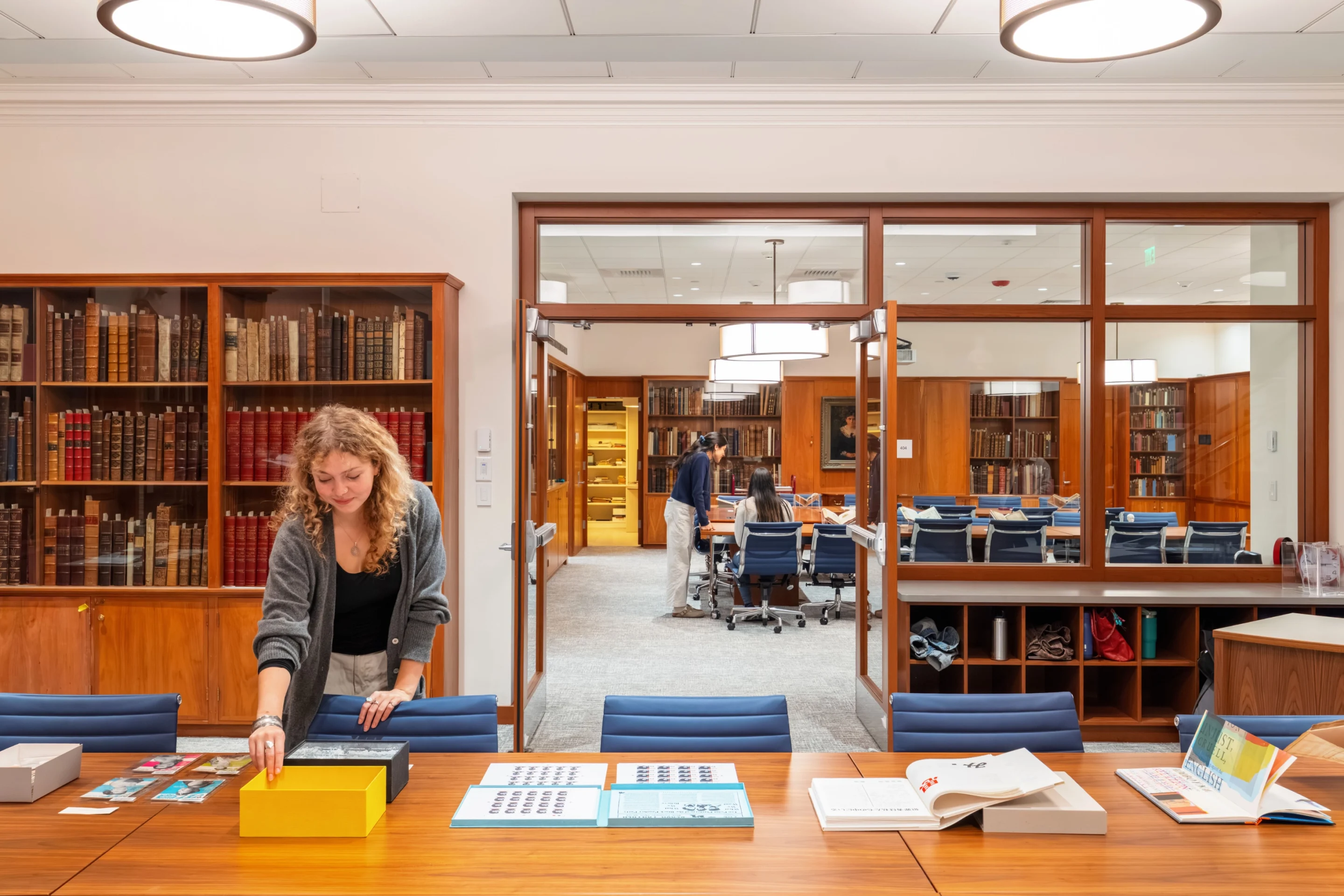
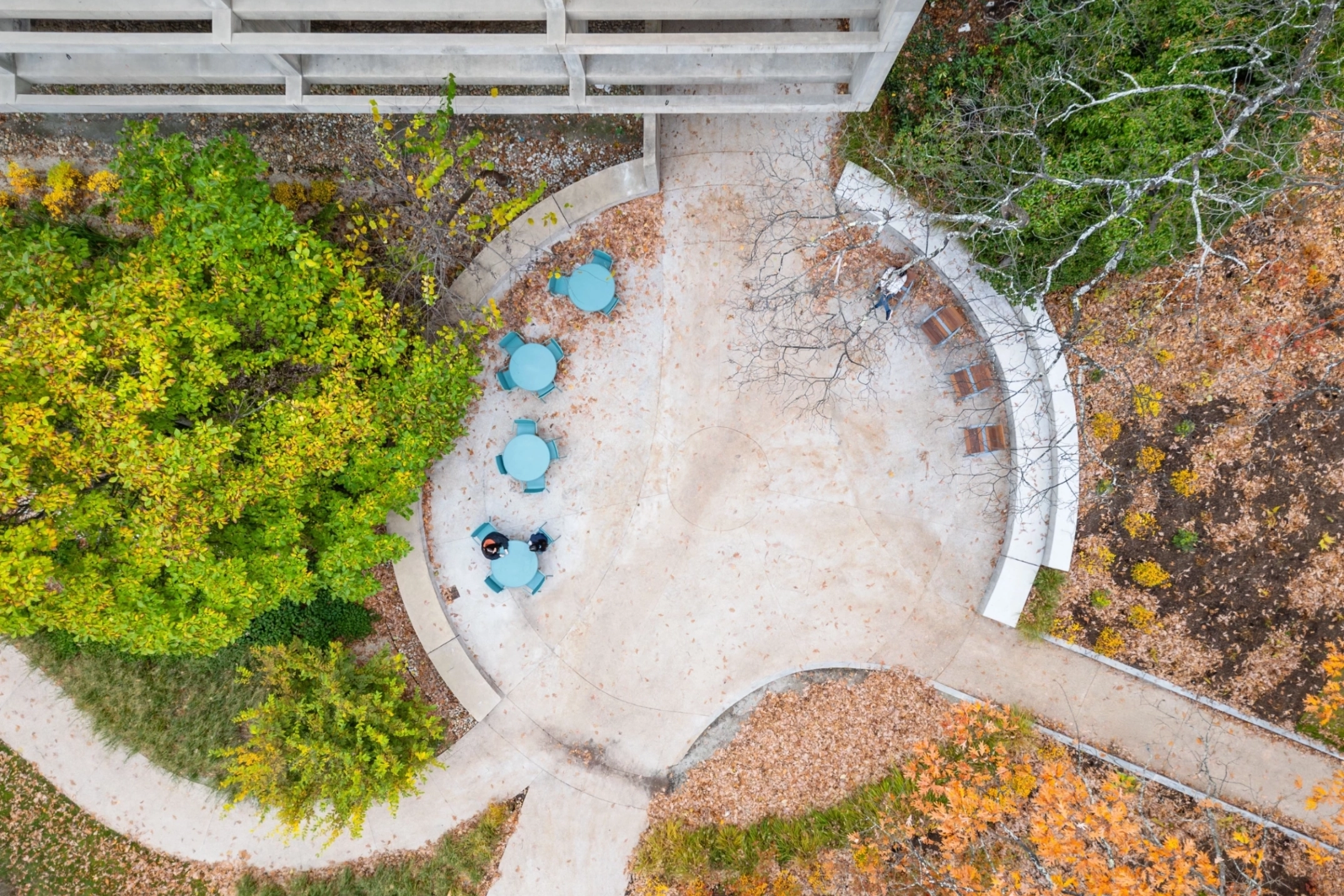
Originating from the facilities assessment and master plan that we conducted in 2021, the original scope addressed deferred maintenance needs through a modest renewal of a historic campus library. Ultimately, every part of the building underwent strategic interventions. This process enabled us to learn alongside our clients, adapting to new priorities without a broader mandate to reenvision the entire building’s program.
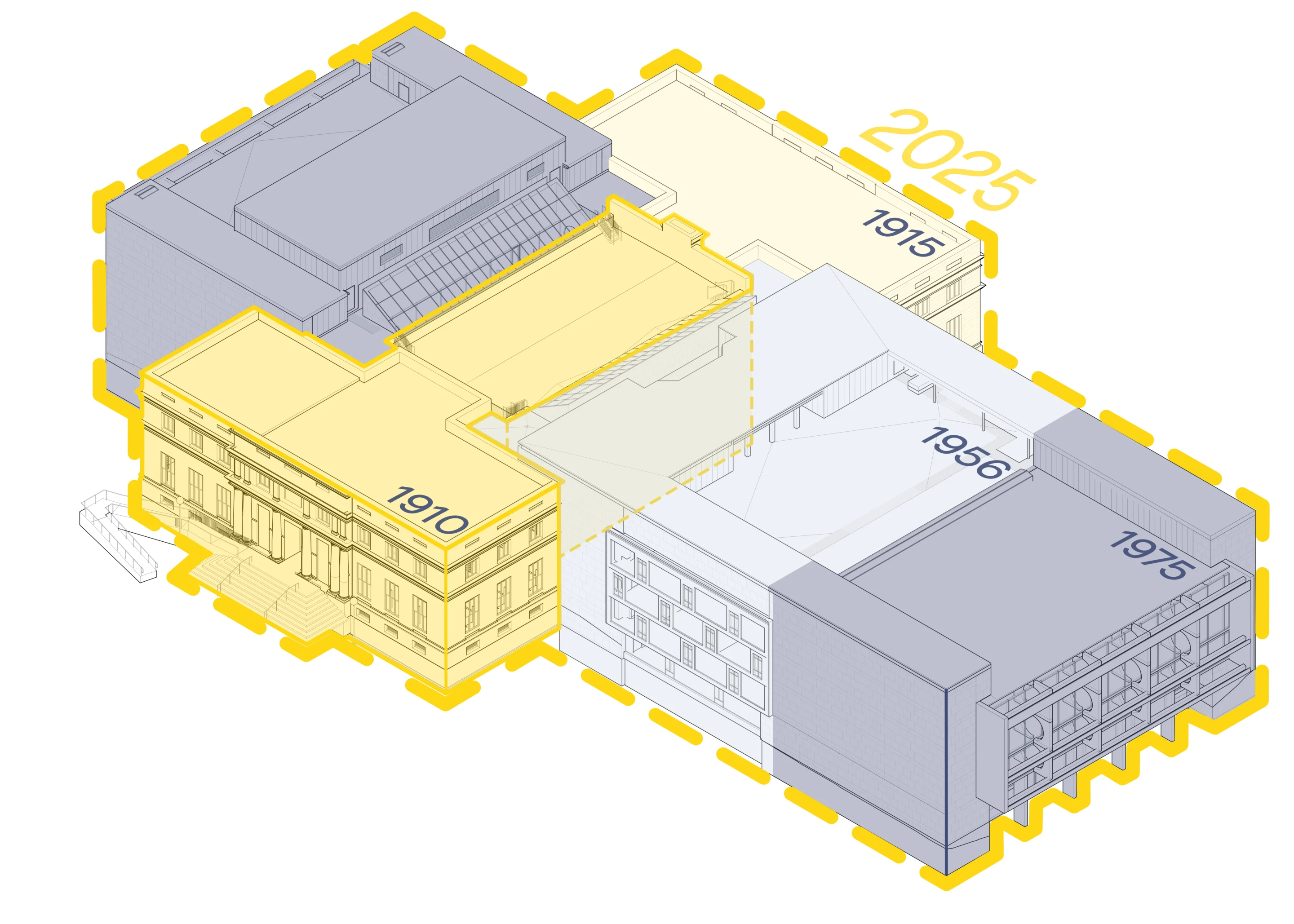
1910
The original library building, designed by Shepley, Rutan and Coolidge, opened in 1910. The creation of the library was partially funded by Andrew Carnegie.
1915
In 1915, Andrew Carnegie supplied another donation for the expansion of the library. The addition was designed by Henry D. Whitfield, Carnegie's brother-in-law.
1956
In 1956, an addition designed by Shepley, Bulfinch, Richardson and Abbott, effective doubled the size of the existing library. This expansion opened in 1959.
1975
The 1975 addition expanded the library in two directions. Each increased the amount of natural light within the facility.
1975
The 1975 addition expanded the library in two directions. Each increased the amount of natural light within the facility.
Click to explore the additions to the historic library.
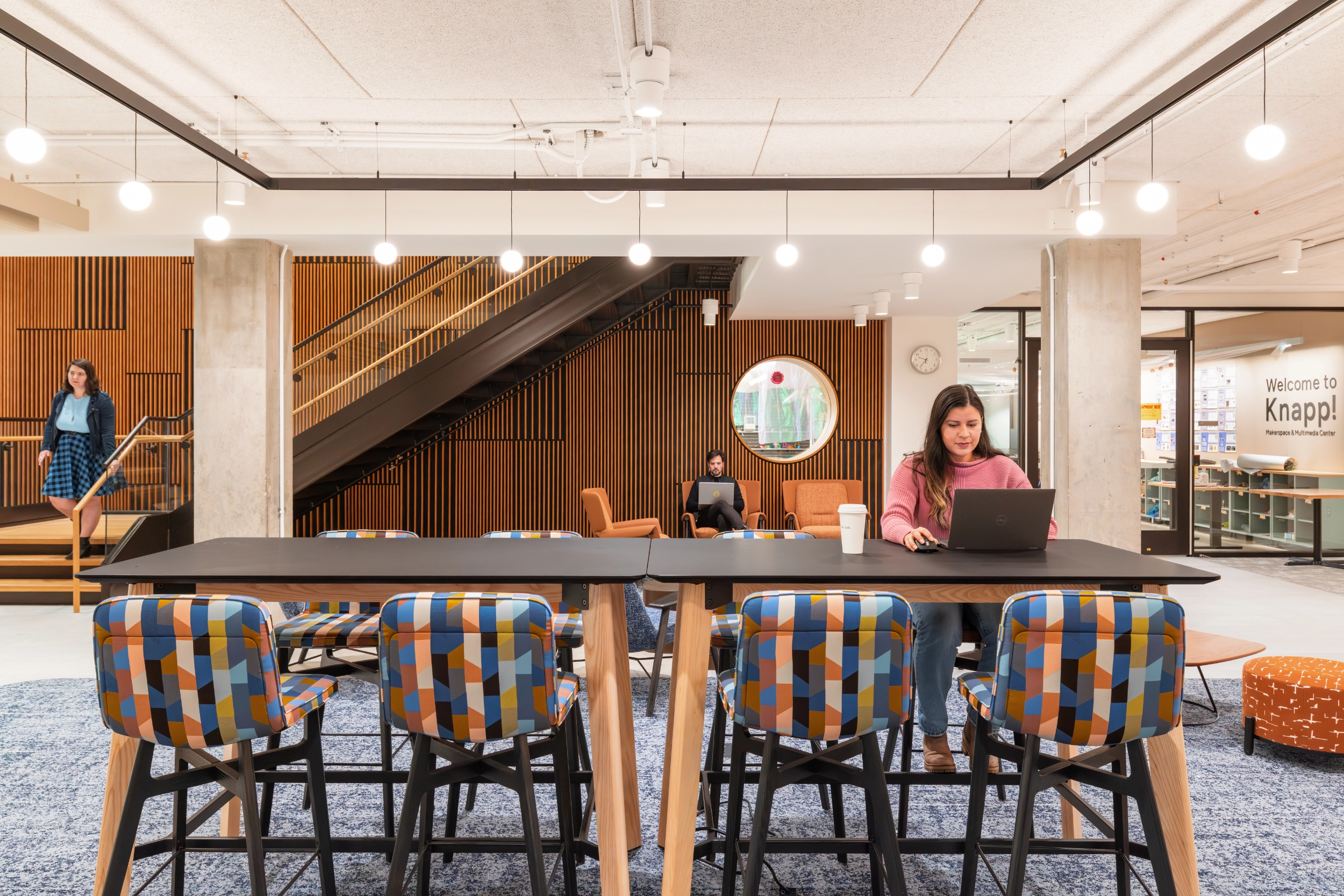
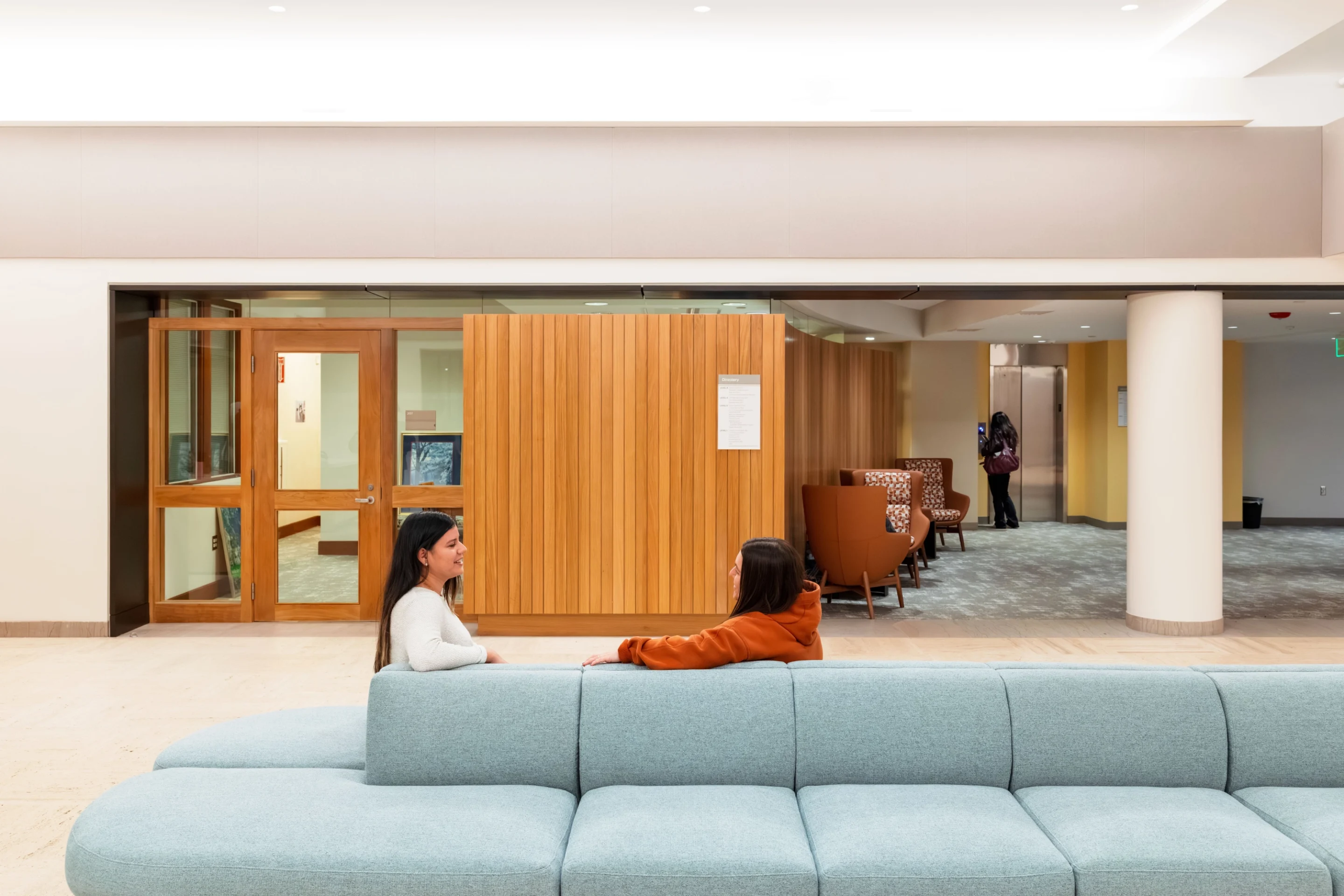
Having undergone a series of ad hoc renovations in the past several decades, interior environments felt disjointed. Our design seamlessly blends contemporary features into the historic wings of the existing Shepley Bulfinch–designed library, creating a cohesive and dynamic place for the Wellesley College community. We worked with the college to create neighborhoods of aligned programs through strategic relocations and new amenities. Signature features of the existing building, such as the original Portrait Reading Room and the mid-20th century sky-lit atriums that flank it, are renewed while inspiring, contemporary features are introduced.
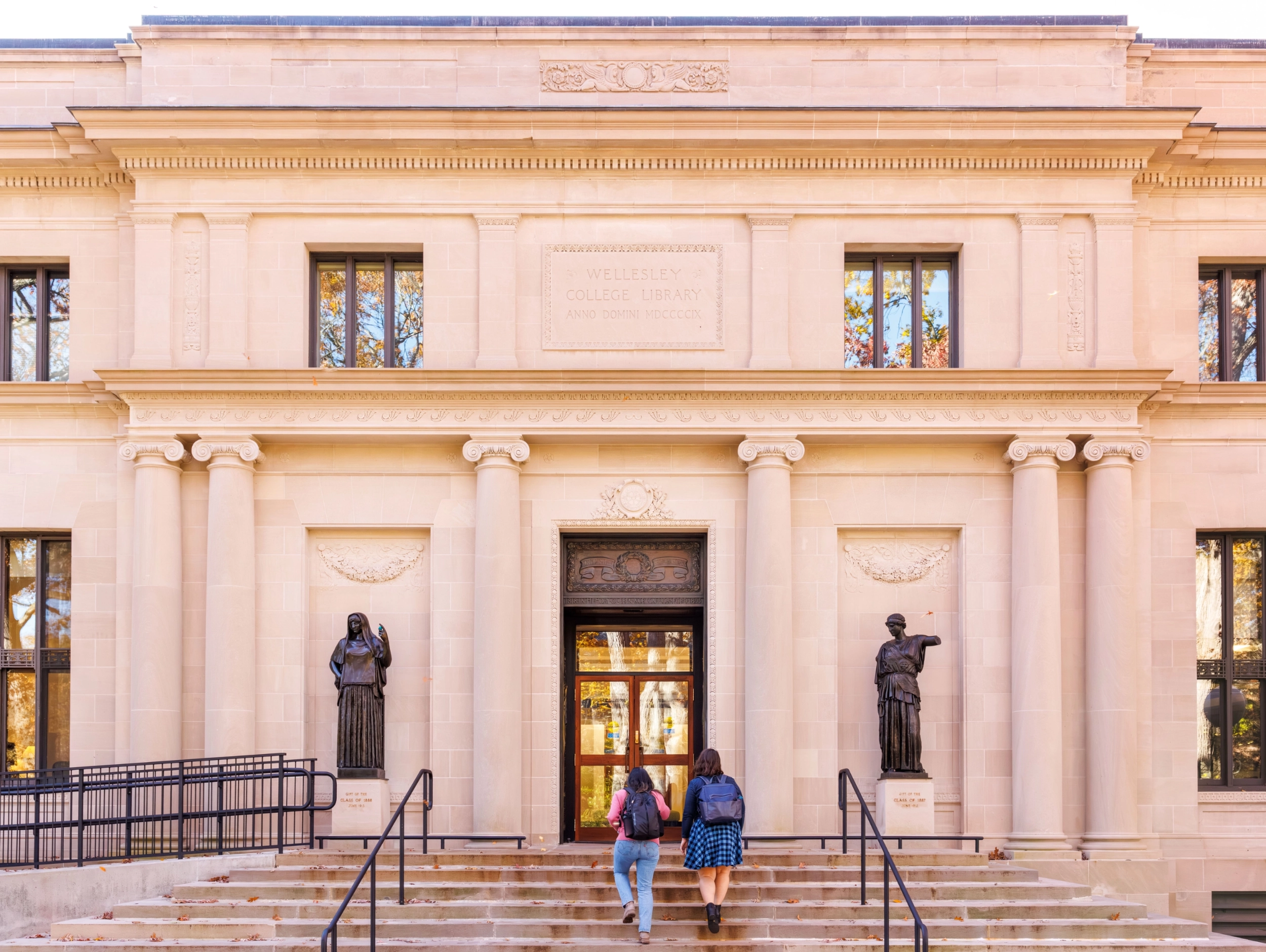
The original 1910 façade still serves as the primary entrance to the building.
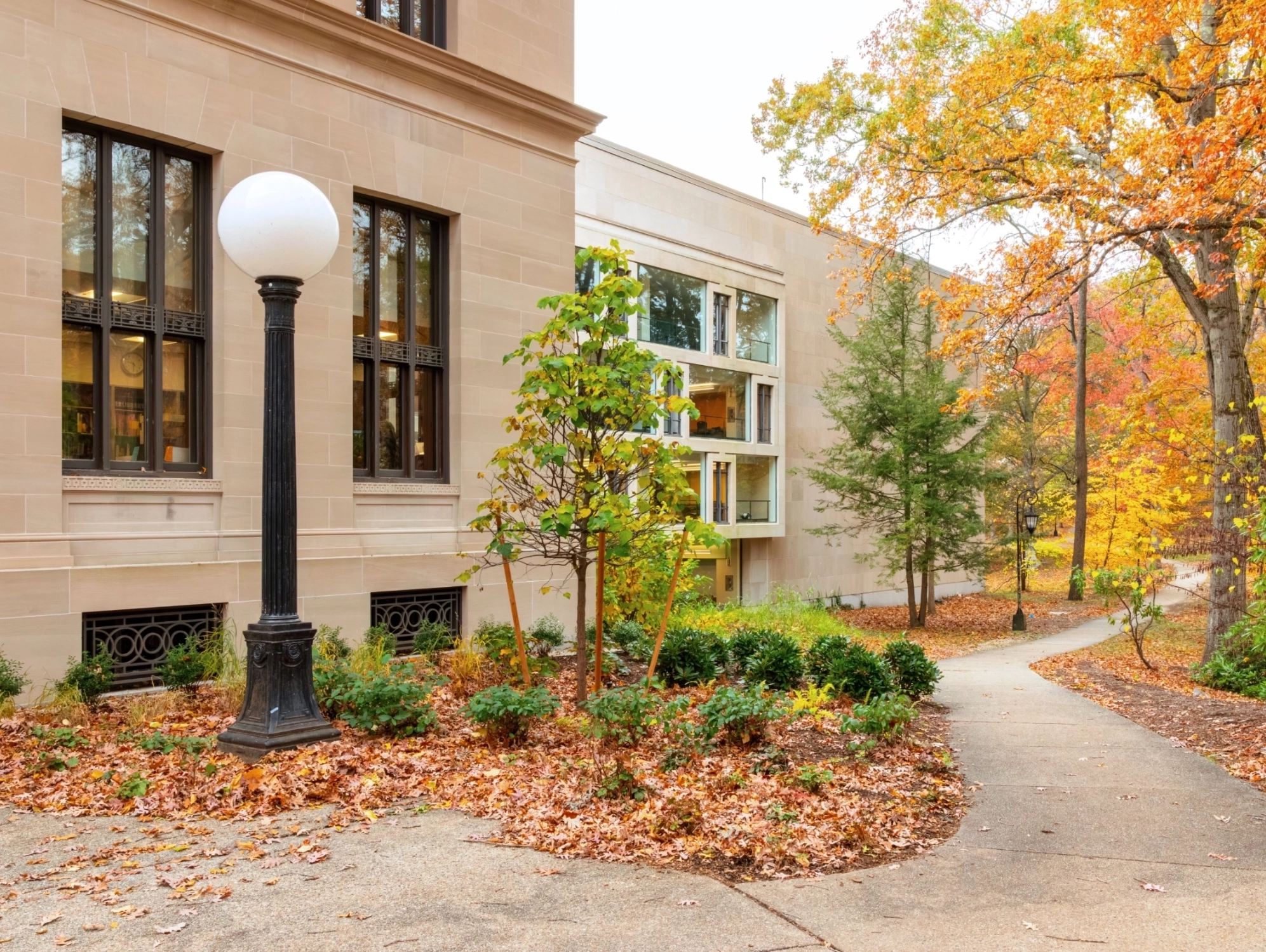
The 1915 addition connects to the section added in 1956.
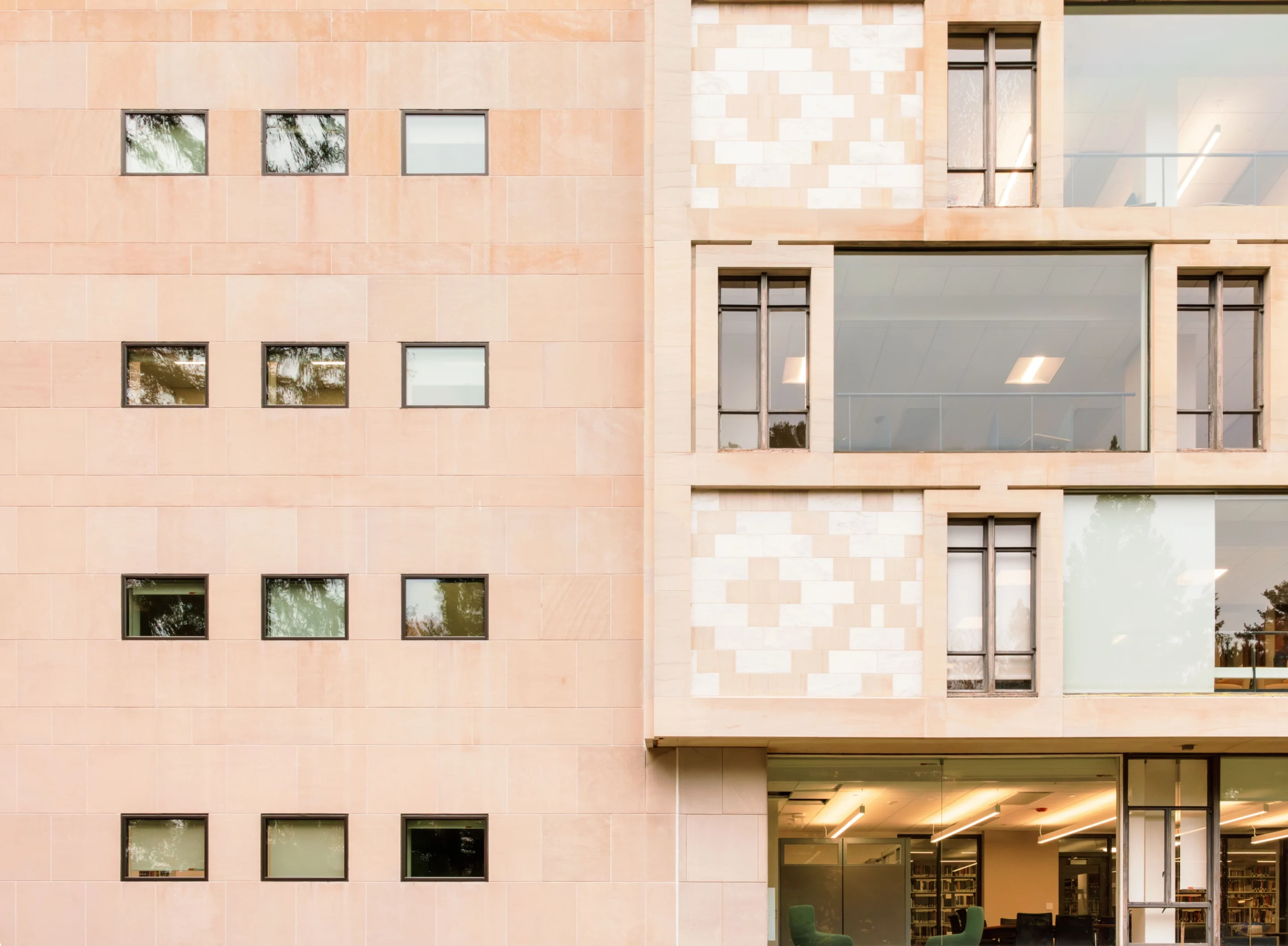
The late 1950s façade introduces geometric patterns in the stonework.
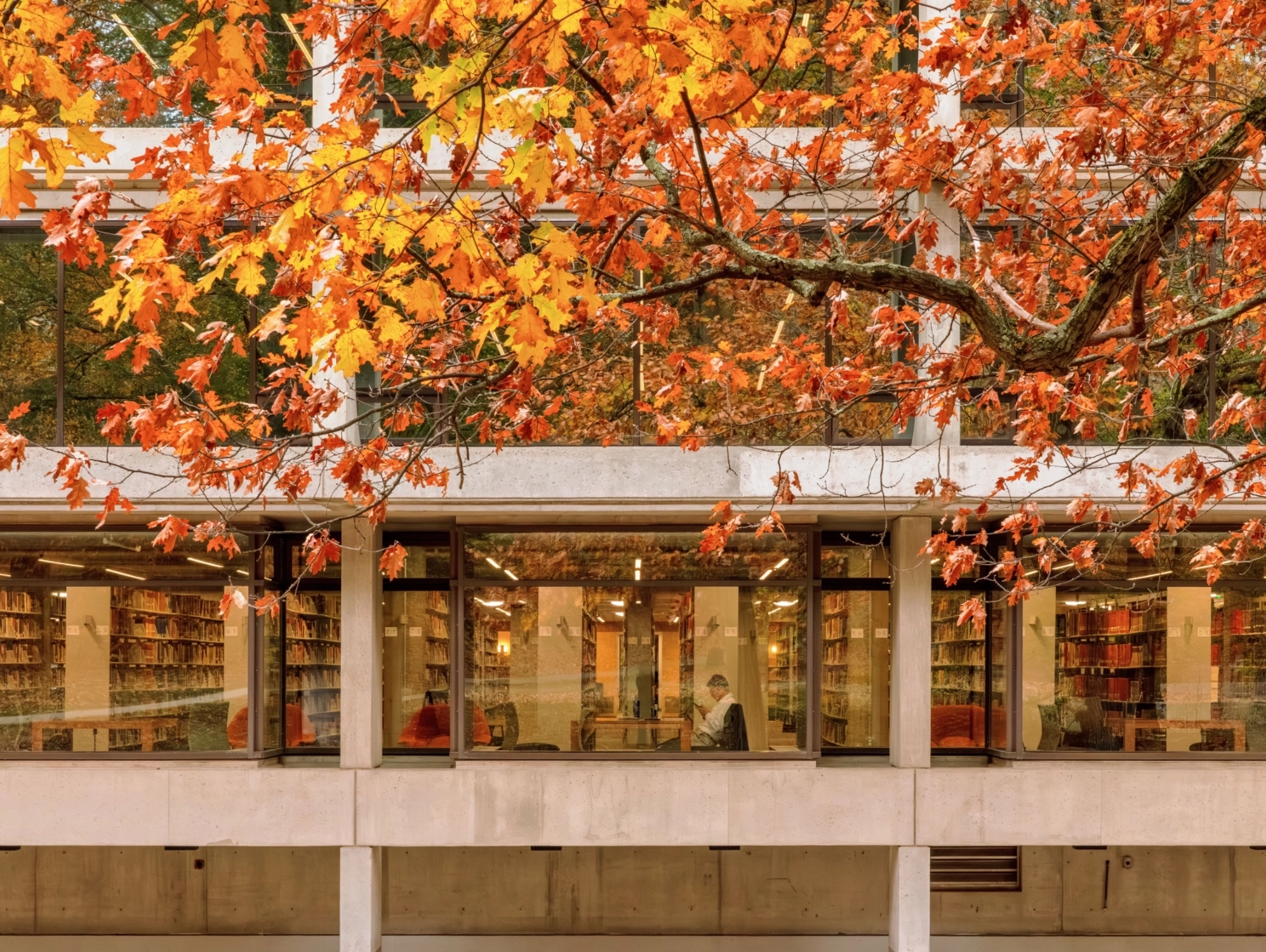
The 1975 design connects students to nature.
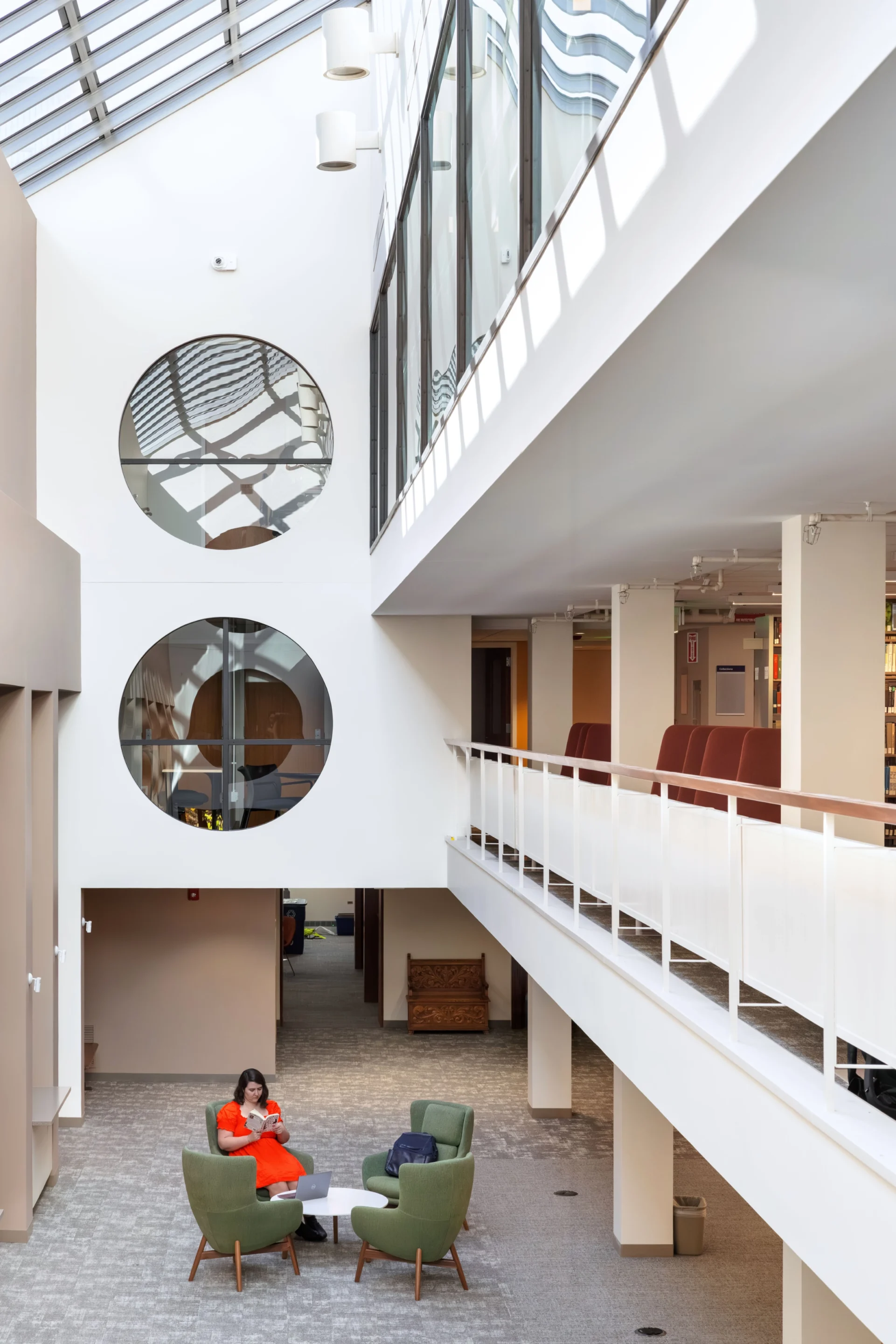
Flexibility and adaptability were key features of the design approach. Interior spaces flex to suit different needs throughout the day, week, and semester, creating a living library that adapts to evolving needs over time. Throughout, classrooms support multiple departments and teaching modalities. The ongoing prevalence of hybrid work allows staff areas to shift, increasing space availability for patron use.
To support longer-term changes in use, building systems have been designed to accommodate changes in occupancy and future technologies. The adaptability of these systems was highlighted when the college accepted a transformative gift after construction had commenced, allowing an entire wing of the building to be reimagined in support of new programs without significant changes to the building’s core infrastructure.
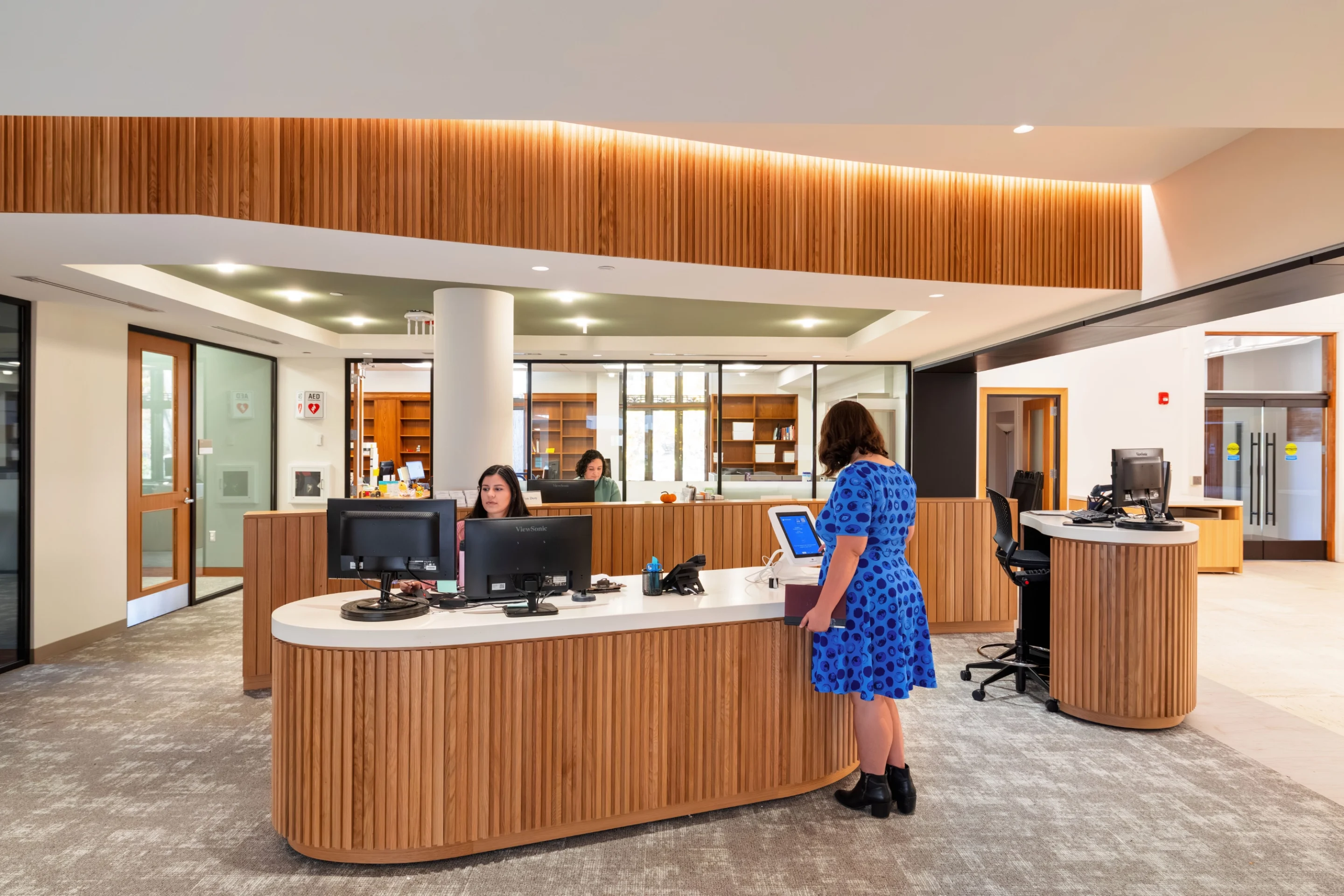
The building’s revitalized historic lobby welcomes all members of Wellesley’s diverse campus community with a blend of tradition and modern functionality. Light, approachable service points encourage visitors to seek help when needed. Academic support services have been co-located adjacent to the main entrance, enhancing their visibility and access. Meanwhile, spaces throughout the building have been designed to support neuro- and physical diversity. Ergonomic spaces provide flexibility and choice. Enhanced environmental controls and acoustics, healthy materials, and access to daylight and views are deployed to improve learning outcomes for those with a wide range of sensory needs and preferences.
Improvements to Clapp’s infrastructure are critical to Wellesley’s campus-wide climate response plan, which aims to reduce carbon output and improve energy efficiency. Steps taken in this renovation include all-electric HVAC systems, energy efficient lighting, and reuse of the existing structure to minimize new embodied carbon.
Click to see how infrastructure improvements advanced the school's climate response plan. Impervious pavement was reduced and a rain garden was added to promote infiltration of runoff and improve water quality. Native, water-tolerant plants provide a biohabitat, water filtration, and erosion control. A new low-temperature hot water heating system positions the building as part of the college's campus-wide climate plan to decarbonize all buildings. A new low-temperature hot water heating system positions the building as part of the college's campus-wide climate plan to decarbonize all buildings. A new, more efficient VAV system enhances comfort and supports future program flexibility in low spaces originally built to house collections. A new, more efficient VAV system enhances comfort and supports future program flexibility in low spaces originally built to house collections. A new, more efficient VAV system enhances comfort and supports future program flexibility in low spaces originally built to house collections. A new, more efficient VAV system enhances comfort and supports future program flexibility in low spaces originally built to house collections. Active Chilled beams provide users with thermal comfort and control in offices and study rooms. Spaces open up to the existing 1970s atrium to take advantage of daylighting, and reduce reliance on artificial lighting. A new communicating stair connects the lobby to the atrium, allowing daylight to pass deep into the first floor. New view corridors open to the building exterior, enhancing connections to nature and improving natural wayfinding. New view corridors open to the building exterior, enhancing connections to nature and improving natural wayfinding. New view corridors open to the building exterior, enhancing connections to nature and improving natural wayfinding. New view corridors open to the building exterior, enhancing connections to nature and improving natural wayfinding. New, more efficient lighting and controls systems reduce lighting power density. Healthy, natural interior materials enhance occupant well-being and foster connections to nature. Adaptive programming opens up new spaces to patrons while providing room for future flexibility. Adaptive programming opens up new spaces to patrons while providing room for future flexibility. Adaptive programming opens up new spaces to patrons while providing room for future flexibility. Adaptive programming opens up new spaces to patrons while providing room for future flexibility. Adaptive programming opens up new spaces to patrons while providing room for future flexibility. Selective demolition and new construction minimize the production of embodied carbons while renewing the space to meet contemporary needs. A native plant palette improves microclimate, restores previously paved areas, and complements the existing campus landscape. Mature existing trees were protected to maintain shade and soil stability. A new low-temperature hot water heating system positions the building as part of the college's campus-wide climate plan to decarbonize all buildings. A new low-temperature hot water heating system positions the building as part of the college's campus-wide climate plan to decarbonize all buildings.
Explore the Sustainability Improvements to the Historic Library
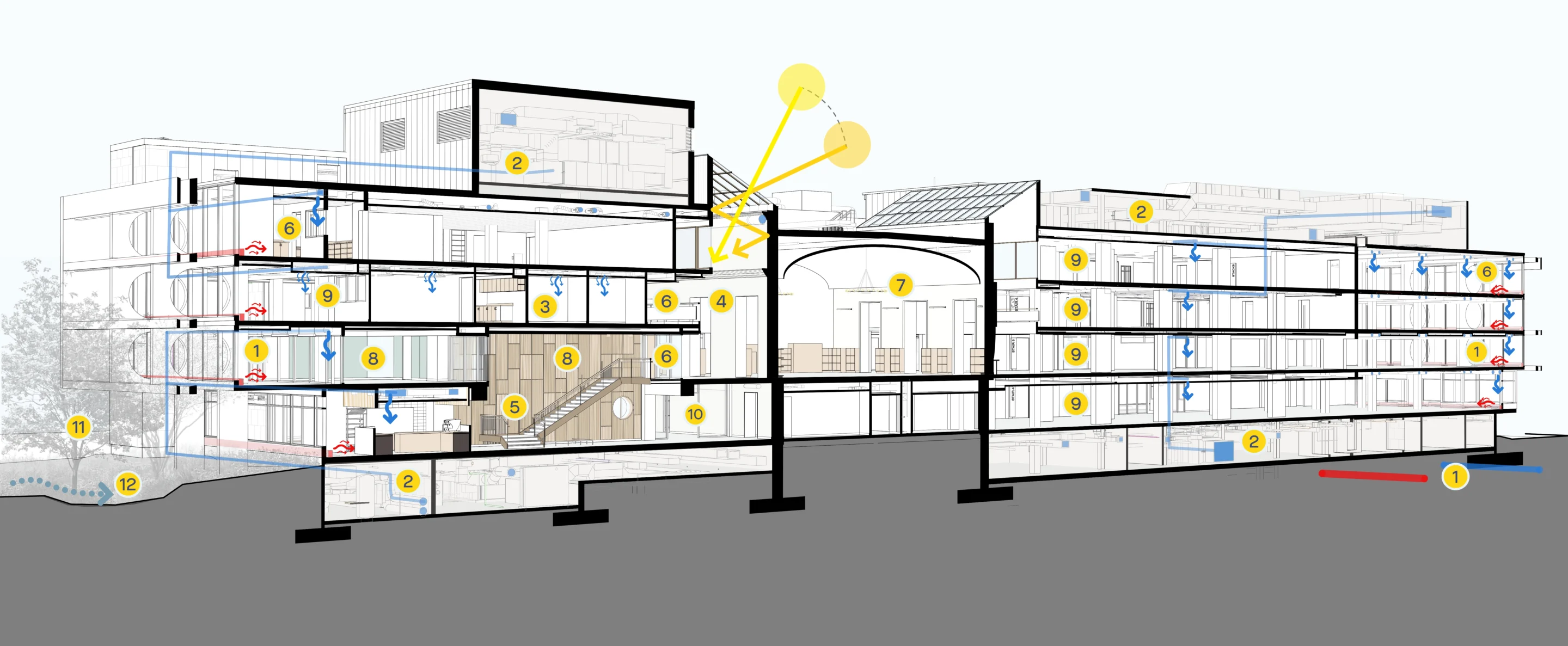
Water Conservation
HVAC
HVAC
VAV System
VAV System
VAV System
VAV System
Thermal Comfort
Daylighting
Extended Daylighting
Biophilia and Wayfinding
Biophilia and Wayfinding
Biophilia and Wayfinding
Biophilia and Wayfinding
Lighting
Healthy Materials
Programming
Programming
Programming
Programming
Programming
Minimizing Embodied Carbon
Native Landscaping
Healthy Materials
HVAC
This project builds on over a century of collaboration between our firm and Wellesley College. The original library building was designed by Shepley, Rutan and Coolidge and opened in 1910. Two subsequent additions were designed by Shepley, Bulfinch, Richardson and Abbott, opening in 1959 and 1975, respectively.