


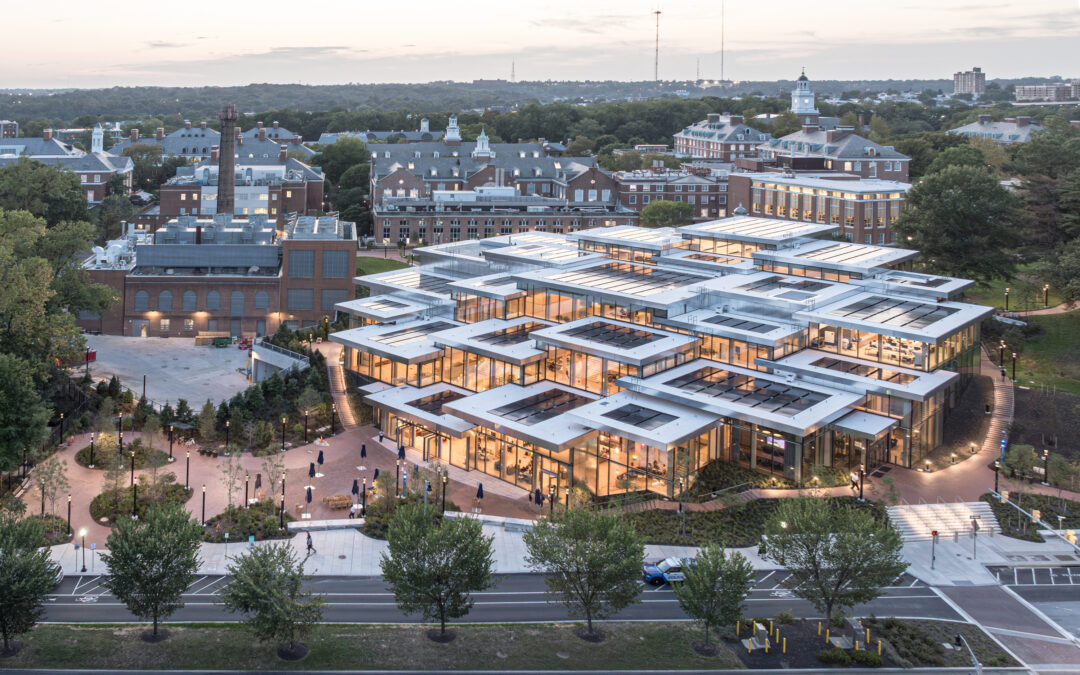
Evolving Student-Centered Design at Johns Hopkins
By Matthew Gifford, AIA, LEED AP, and Kalyn Pavlinic, NCIDQ, LEED AP, IIDA
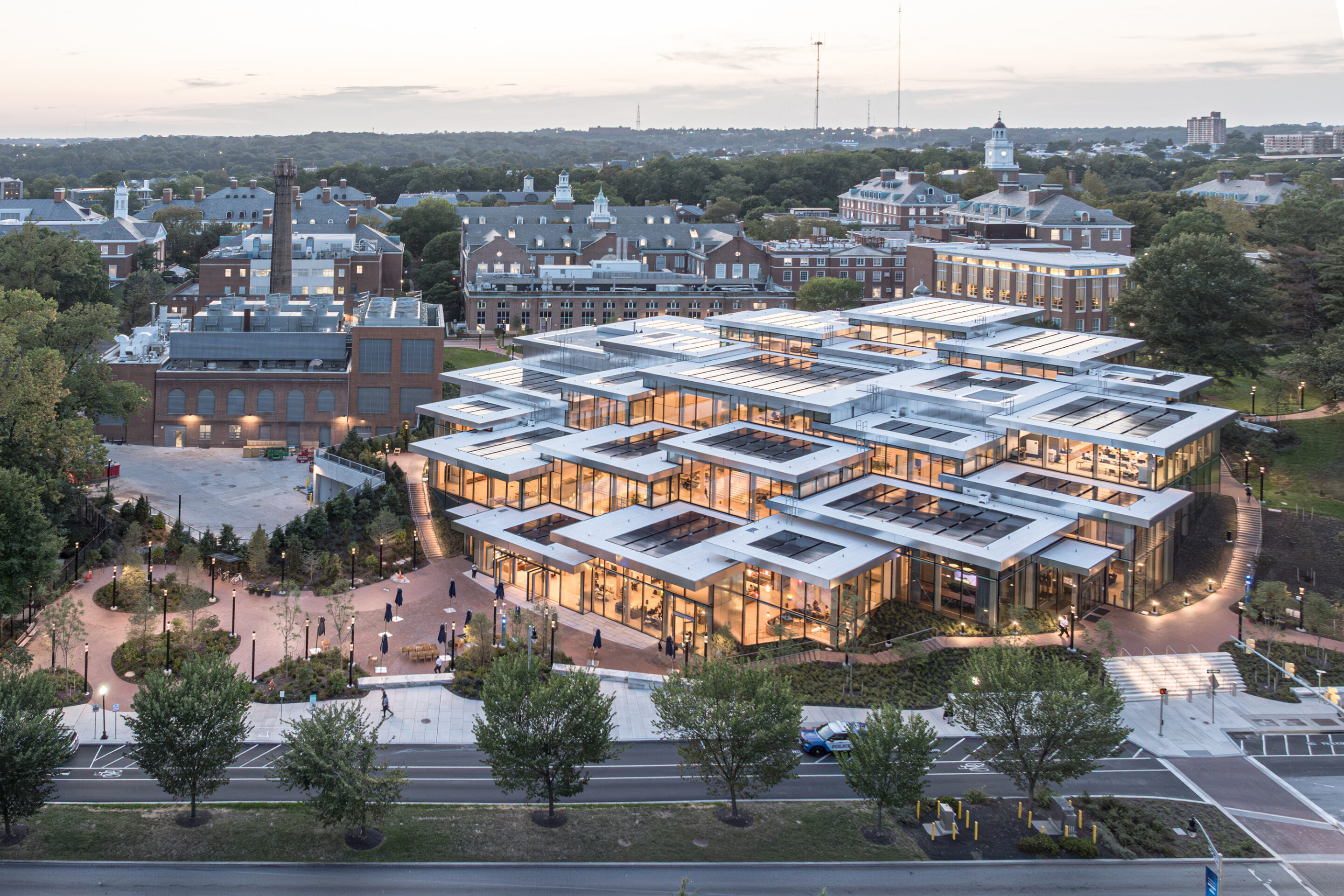
The transformation of student life at Johns Hopkins University is a story of evolution—one that our team began with the design of the Brody Learning Commons and has reached a new milestone with the planning and programming of the Bloomberg Student Center. Student wellness, inclusivity, and community engagement shaped both spaces, underpinned by a collaborative, data-driven, and adaptive process.
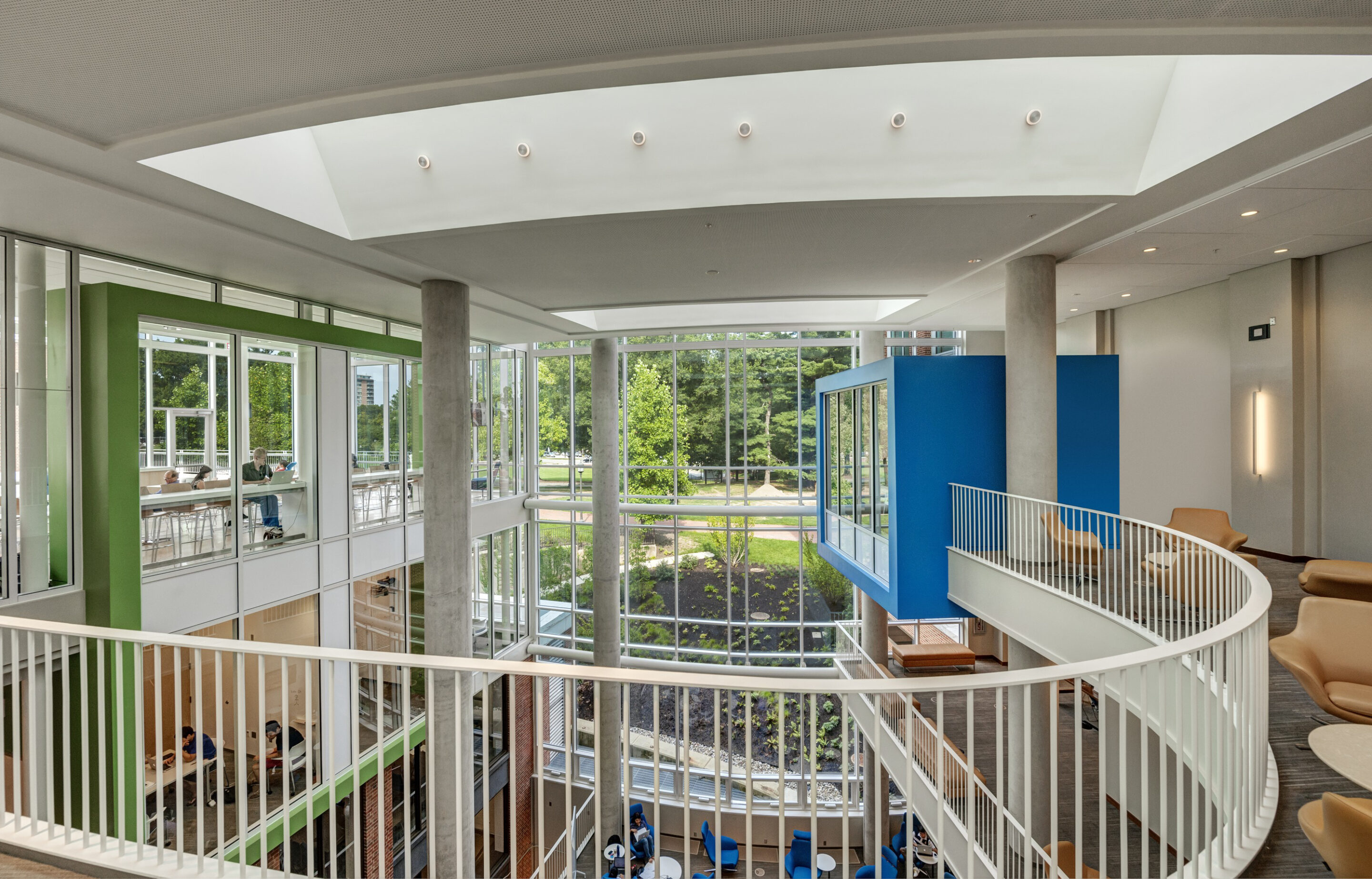
The Brody Learning Commons: Setting the Stage
Student life isn’t a stagnant concept; it’s constantly adapting in parallel to the broader culture it lives within. Student life at Johns Hopkins is no exception. Through the first century of its existence, academic rigor and cutting-edge research completely drove the institution; socialization outside the lab or classroom wasn’t a priority. As an understanding about the benefits of whole student wellness began to emerge in the broader culture, Johns Hopkins began to think about how it might incorporate those concepts to better the health, wellness, and success of its students.
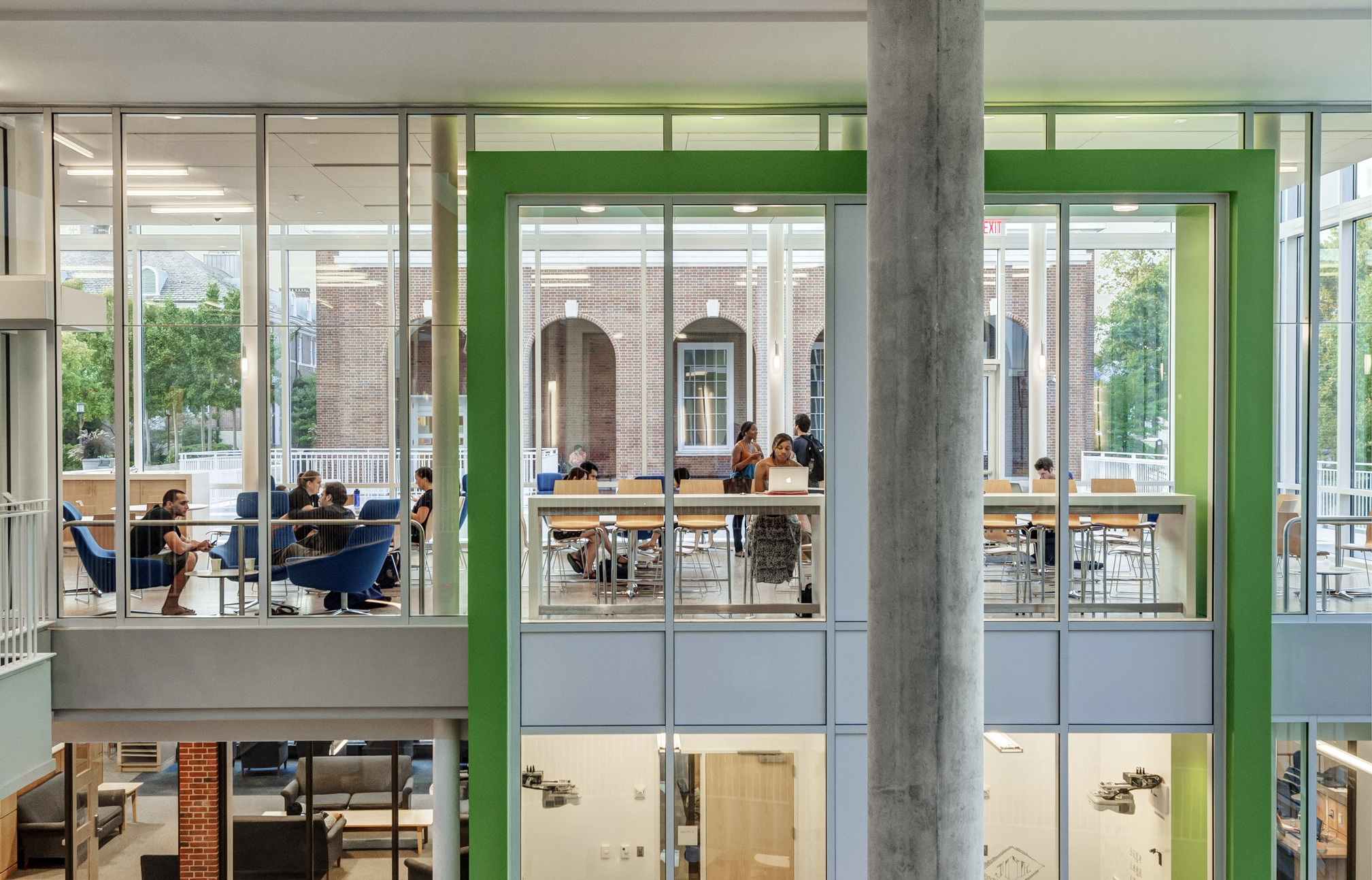
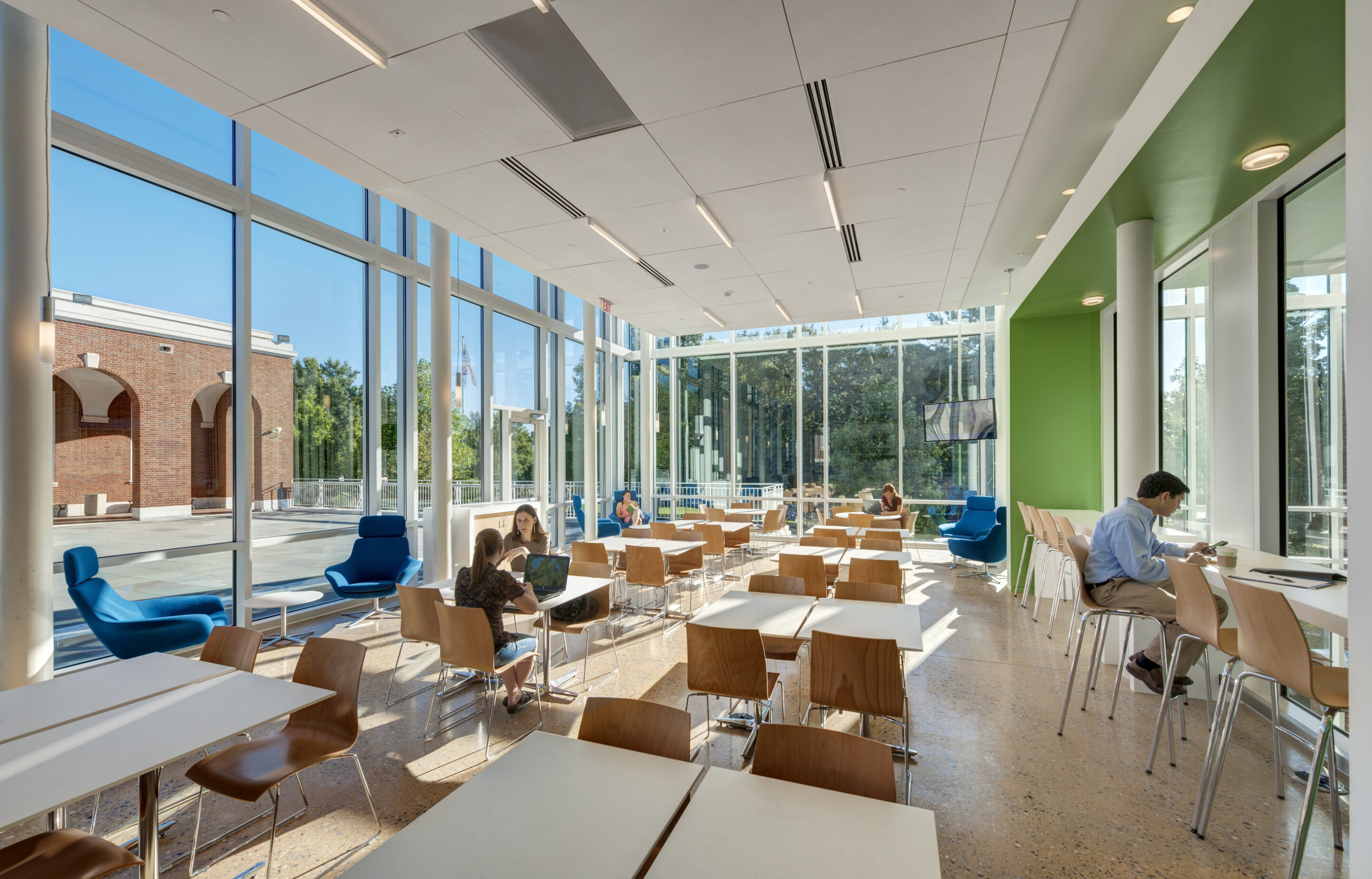
Fifteen years ago, when the Brody Learning Commons was conceived, it was envisioned as the new heart of student activity—a place to see and be seen, especially during late-night study sessions. The library was more than a repository of books; it was a social hub—a student center in its own right. Designed before the widespread recognition of student wellness as a core institutional priority, Brody reflected the academic intensity and “boiler room” culture of academia at the time.
The lessons learned from Brody’s design and operation—from the importance of flexible spaces, including those for students’ relaxation and restoration, to a need for ongoing adaptation—would later inform the approach to the Bloomberg Student Center. As libraries across the country began to search for new identities beyond books, the experience at Brody highlighted the need for spaces that support the whole student, not just their academic pursuits.
The Vision for Bloomberg Student Center
The Bloomberg Student Center emerged from a context of challenges and change. Beyond the rising concerns for student wellbeing and mitigating stress, in recent decades the university saw a 30% increase in first-generation students. To support this shifting student body, administration recognized a need for non-academic spaces for students to connect. The university sought to create a safe, inclusive space for all students. Equity and cultural sensitivity were central concerns, and the team established three central tenets to address these issues in the architecture and programming:
[The Bloomberg Student Center is] social by design … open to all, reserved for none, and boasting the kind of flexible spaces that invite connection and collaboration.
- focus on the ultimate student experience
- look forward not backward
- use objective analysis and best practices to drive informed decisions
The vision was ambitious: to create a non-academic setting where students could relax, connect, and explore interests beyond the classroom. This shift mirrored broader trends in higher education, where student centers were evolving to support wellness, socialization, and diverse extracurricular activities.
Collaborative Planning and Stakeholder Engagement
A hallmark of the Bloomberg Student Center’s planning was its collaborative, stakeholder-driven approach. Extensive engagement with students, faculty, campus real estate representatives, and local businesses in the Charles Village neighborhood provided opportunities for input and feedback. Ultimately, the university’s first student center would not only serve the university community but also build bridges with the surrounding neighborhood, respecting existing business relationships and fostering mutual success.


Programming decisions were informed by thousands of data points: event venue utilization, unmet requests, and feedback from hundreds of students. The team mapped out a sequence of engagement activities to reach a broad cross-section of the student body, ensuring that the center would reflect diverse needs and priorities. Their input was gathered at a variety of events, from large campus events like career fairs and ice cream socials to dedicated office hours and discussion groups.
This is part one of a two part series exploring the programming of Johns Hopkins University’s Bloomberg Student Center. Subscribe to our newsletter to receive the follow-up, where we explore the key programming themes that emerged from our research and how this shaped the project’s design.

Matthew Gifford, AIA, LEED AP
Principal
Matt’s collaborative approach to the design process has created highly sustainable, highly functional academic, library, and student life facilities. He is committed to developing solutions that are unique to each client’s culture and goals.

Kalyn Pavlinic, NCIDQ, LEED AP, IIDA
Senior Interior Designer, Associate
With a background as an artist and biologist, Kalyn brings a unique perspective, weaving together an understanding of user needs and institutional goals with a strong design aesthetic rooted in human behavior and spatial experience.