



Shepley Bulfinch Featured in Traditional Building’s “Lines of Succession”
How architecture firms prepare the next generation of leaders has become an increasingly important conversation across the profession. In Traditional Building’s feature article, “Lines of Succession,” Angela Watson, FAIA, LEED AP, President and CEO, shares insights on how one of the nation’s oldest architecture firms continues to evolve while remaining grounded in its founding principles.
The article explores the history and challenges of succession planning in architecture, tracing a lineage that begins with Henry Hobson Richardson. Following Richardson’s death in 1886, his successors established the firm that would eventually become Shepley Bulfinch, creating a legacy that spans more than 150 years.
I believe we’ve remained relevant and successful because we continue to see our work, as Richardson did, as about places for people and not just about buildings.
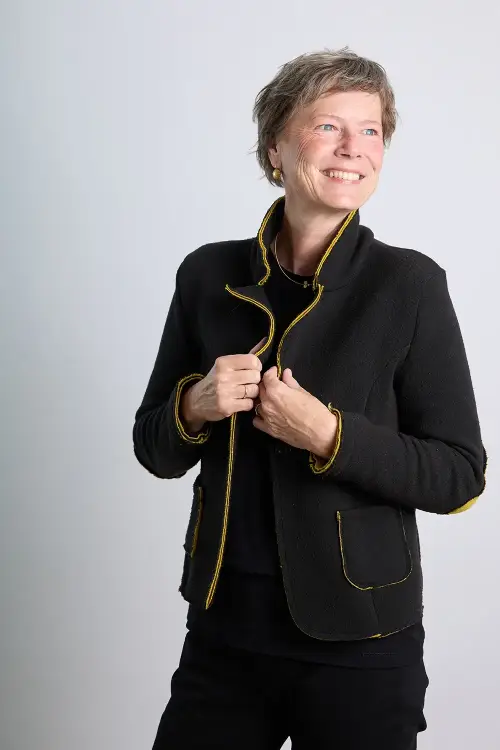
President and CEO Angela Watson, FAIA, LEED AP
The Value of Succession Planning
For firms with long histories, succession planning is about more than business continuity. It is also about preserving culture, expertise, and a shared sense of purpose while empowering new voices and perspectives. Successful succession planning is often a long-term process requiring deliberate investment in mentorship, leadership development, and organizational structure.
Ultimately, Angela notes, it’s about creating opportunities for others to thrive, “I enjoy empowering people to do what they love.”
Read “Lines of Succession” in the October 2026 issue of Traditional Building.

Emily Hooper
Director of Marketing, Associate
Emily leads brand and communications strategies across six physical and virtual studios.