



The Change Curve
By Michelle Amberson, AIA, ACHA, EDAC
What if that unexpected change request is actually your design’s secret weapon?
In design studios everywhere, the words “we have a revision” tend to land with a thud. Client changes, often framed as detours, feel like threats to schedules, budgets, developed concepts, and even team morale.

Mayo Clinic, Phoenix, AZ. Photo by MFMER.
Throughout my work in healthcare design, I’ve learned that change is not a sign of failure in the process. When approached with structure, revisions become inflection points that serve as powerful drivers of trust and stronger design outcomes. I think of this as the change curve: the moment where uncertainty bends toward opportunity.

Understanding the Psychology of Change
Clients are continually learning and adapting as they move through the design process. Many are navigating unfamiliar territory and making high stake decisions about spaces they can’t yet visualize. What may appear as a change in direction is often a sign of recent understanding or the emergence of new information, such as shifts in leadership or evolving financial realities. Recognizing this context and acknowledging the pressures of uncertainty is essential.
By leading with empathy, maintaining proactive communication, and establishing clear checkpoints, we provide clients with the space they need to reflect and engage with confidence.
Building a Change‑Ready Process
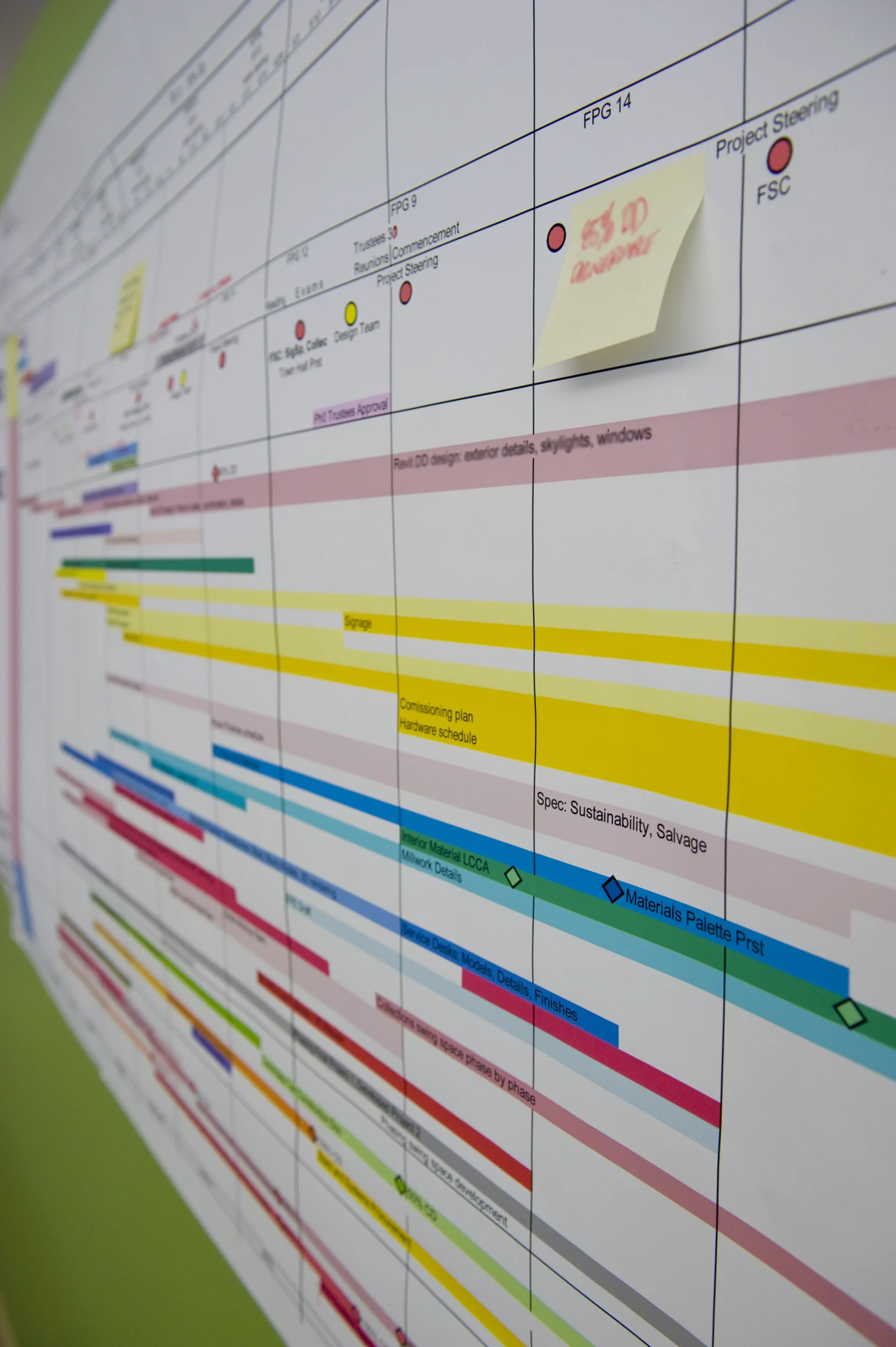
To create a resilient design process that makes room for change, early frameworks that outline clear milestones can be established, eliminating the feeling of interruption.
Applying Lean thinking, specifically the principle of determining the last responsible moment, is particularly effective. By intentionally deferring certain decisions until the point when the most reliable information is available, teams can separate foundational planning decisions from evolving elements, such as equipment selection, materials, or future-ready expansions / shelled areas. This approach creates flexibility while maintaining momentum and protecting the integrity of the overall design.
Seeing Earlier, Deciding Better
With the development of immersive technologies, like VR walkthroughs and real-time visualizations, the client design experience has fundamentally changed. Clients engage with a project much earlier in the process, allowing them to make intuitive decisions and identify potential conflicts. Sightlines and adjacencies are no longer theoretical, and questions surface while ideas are malleable, preventing costly corrections.
Looking ahead, predictive design tools and AI may help anticipate where changes are most likely to occur. However, the more profound shift is cultural. The process is moving away from a static plan toward a fluid design journey shaped alongside clients.
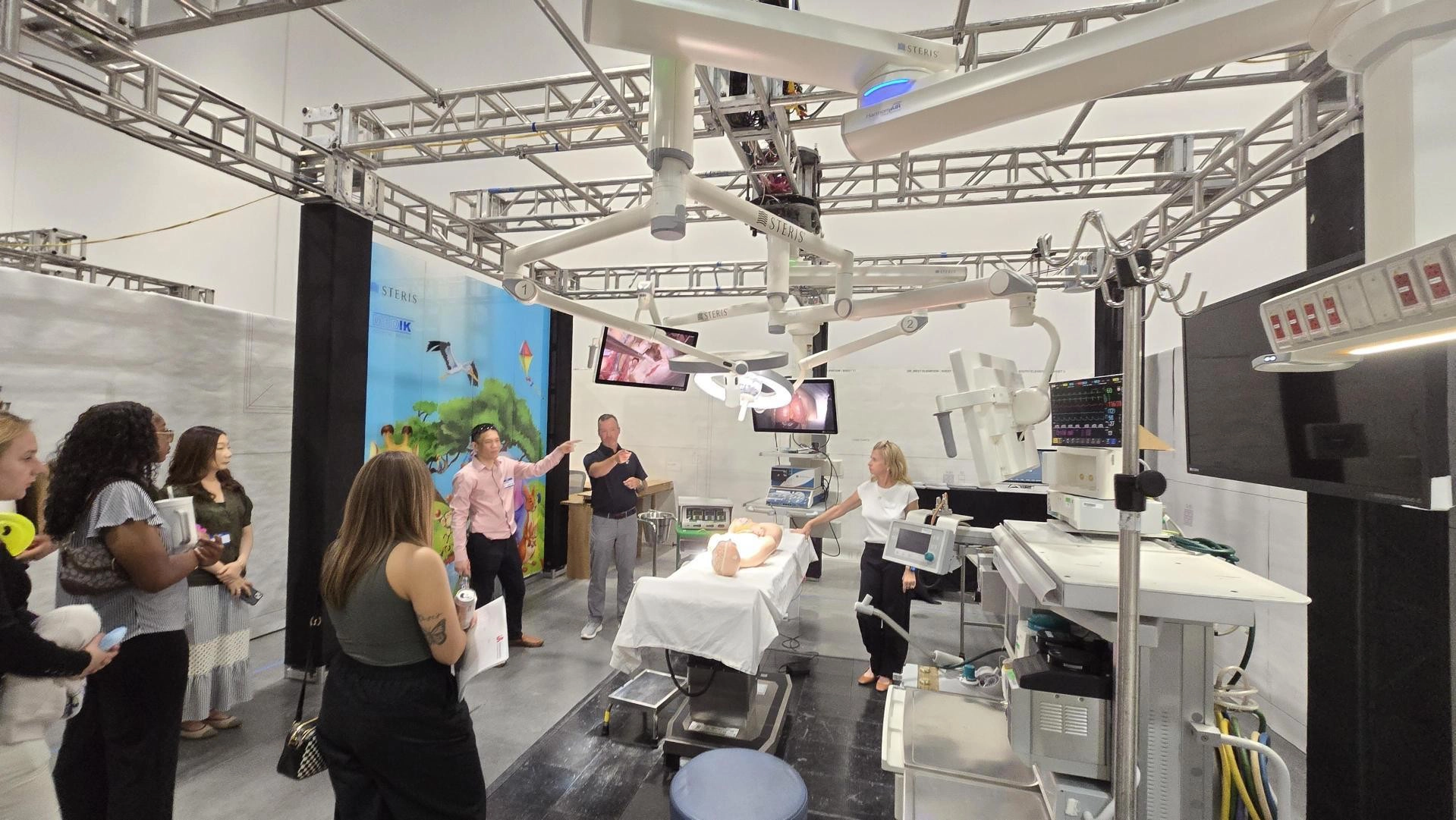
Concepts are being brought to life and tested by stakeholders throughout the design of the Intermountain Health Children’s Hospital. Full-scale mockups provided end-users with the opportunity for real-time feedback to create iterative improvements. This kind of collaborative approach results in designs that better meets the needs of patients, families, and healthcare providers.
When Change Leads to Breakthroughs
Some of the most successful projects I’ve worked on were shaped by moments of late‑stage reconsideration. I recall a project where a client stepped back to reconsider the separation of outpatient imaging and oncology services on campus, recognizing the long-term implications for patient experience and operational efficiency. What initially felt like a disruption ultimately became an opportunity to think more holistically about adjacencies and flexibility. The result wasn’t compromise, but a more integrated solution that strengthened the project, deepened the relationship, and improved the operational workflow.
Clients may forget specific design iterations, but they remember how changes were handled. By working through issues with transparency, a partnership built on lasting trust is formed.
The next time a project veers in an unexpected direction, take a moment to consider what the change might reveal. When we embrace the curve instead of bracing against it, we open the door to deeper collaboration and better architecture.

Michelle Amberson, AIA, ACHA, EDAC
Principal
Bringing vast experience in project management and medical planning, Michelle has led and successfully delivered several very large and prestigious medical facilities.